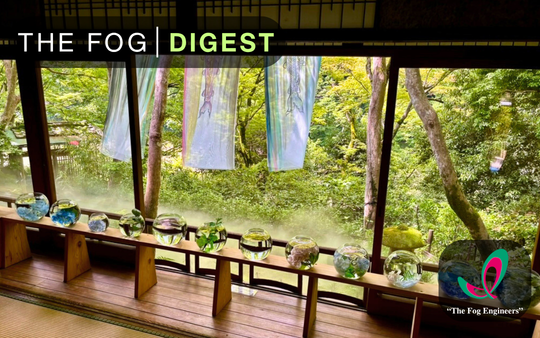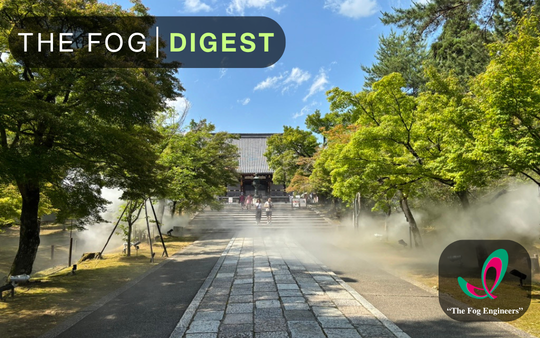
Visiting Ninnaji Temple in Kyoto: Experiencing the Sea of Clouds

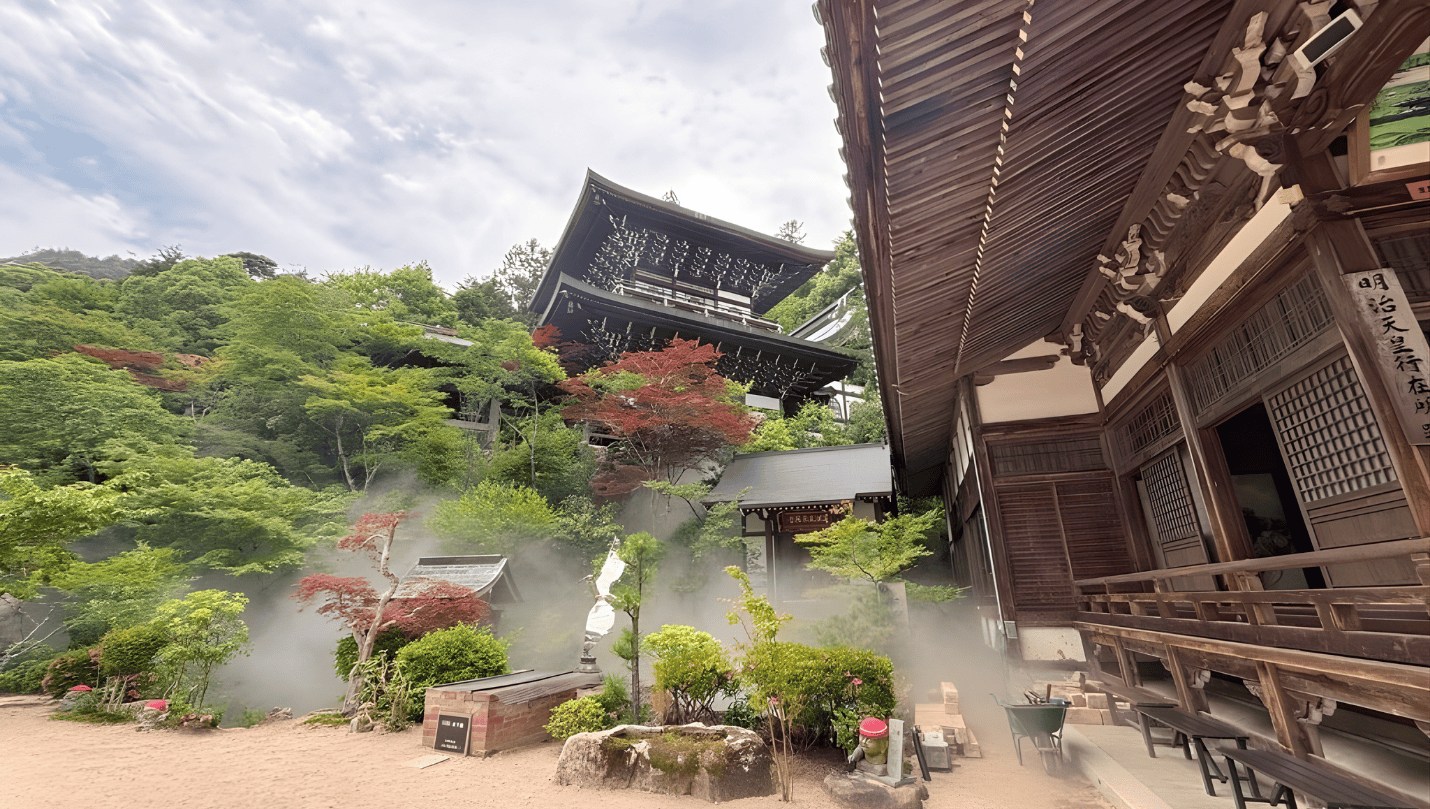
Mist moves differently when it is intentional.
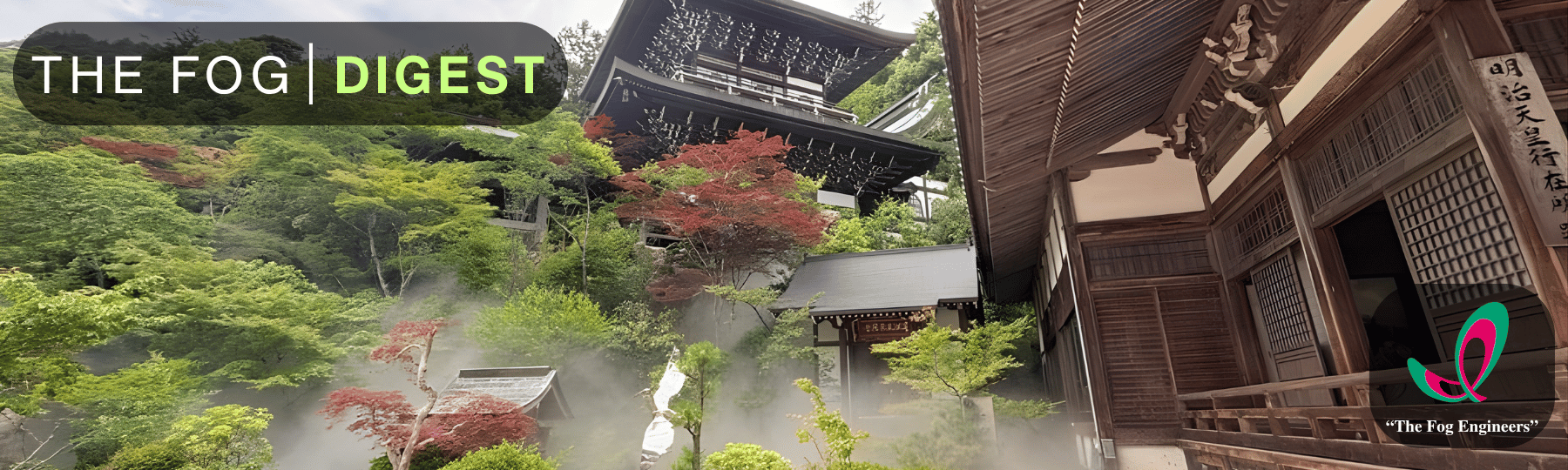
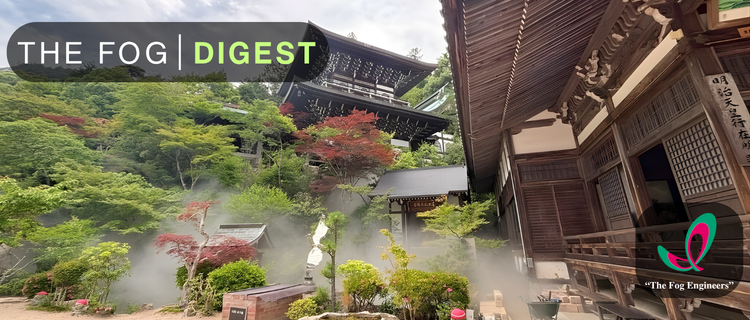
At Daisho-in Temple on Miyajima Island in Hatsukaichi, visitors now encounter a Sea of Clouds experience woven directly into the temple grounds. What appears at first like a natural phenomenon gradually reveals itself as something more deliberate. Ikeuchi’s dry fog technology has been installed to recreate the unkai effect, transforming the atmosphere while preserving the integrity of the landscape.
Daisho-in, founded in 806 and located near Itsukushima Shrine, has long been part of the cultural fabric of Miyajima. The introduction of the Sea of Clouds system does not replace that history. Instead, it enhances the grounds in a way that invites renewed attention and engagement.
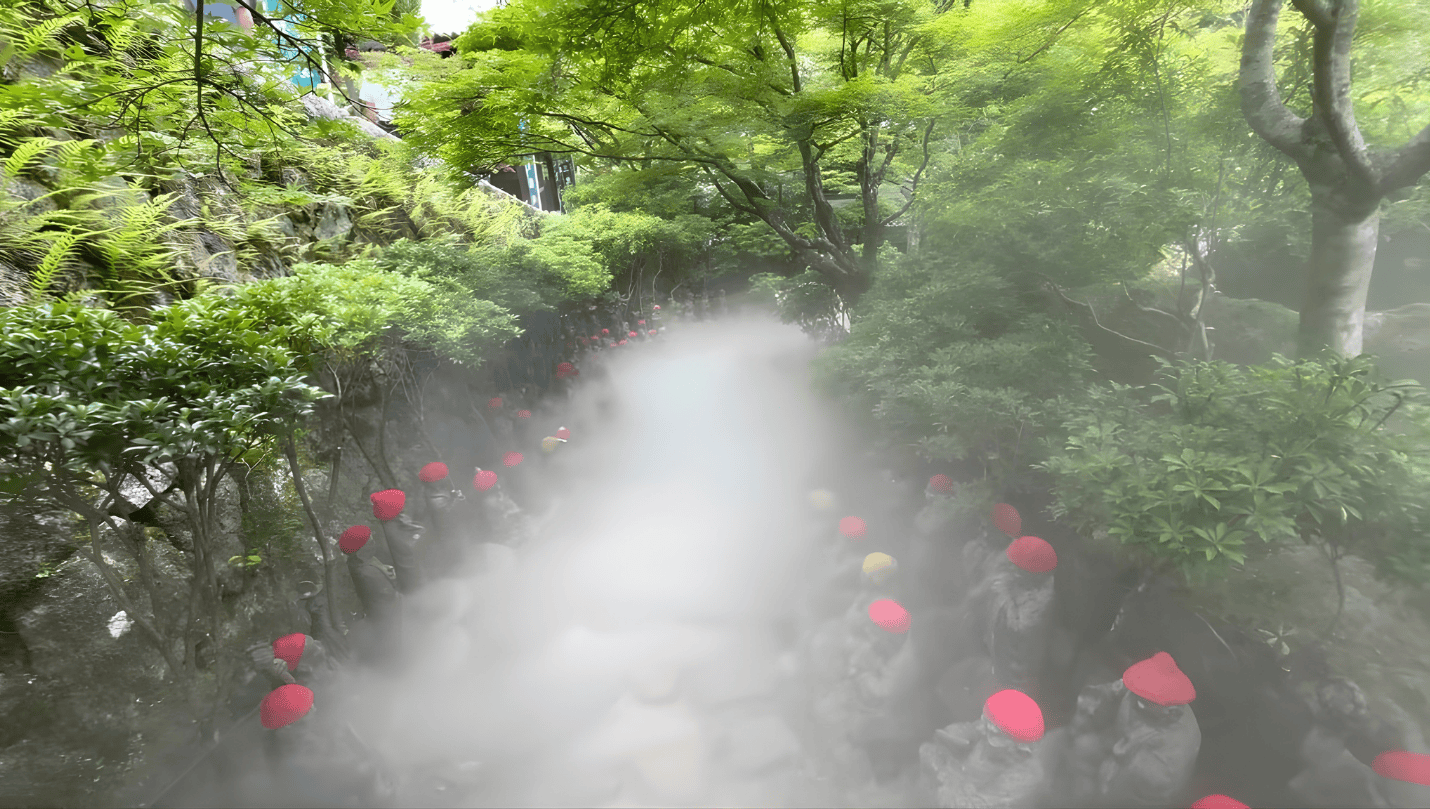
The unkai effect is traditionally a natural occurrence, where fog fills valleys and creates the illusion of floating terrain. At Daisho-in, this atmosphere has been thoughtfully recreated using fine dry fog particles that drift, settle, and dissipate naturally.
The result is immersive but not overwhelming.
Fog rolls gently along stone steps and between trees, collecting briefly before thinning into the air. Light filters through it, creating depth and movement. Visitors instinctively slow down. Cameras come out. Conversations quiet. The environment shifts without losing its authenticity.
This installation was not designed as a spectacle. It was designed as an enhancement.
By introducing controlled atmospheric effects, Daisho-in has created a new visual dimension within its existing landscape. The Sea of Clouds experience adds a contemporary layer to the grounds, attracting visitors who may have already explored Miyajima while offering something new to discover.

One of the most important aspects of this project was integration.
Ikeuchi’s nozzles were installed carefully throughout the site to ensure the system remains visually discreet. Positioned among stone features, foliage, and wooden structures, the hardware blends into the environment rather than competing with it. From a distance, the fog is visible. The equipment is not.
Up close, the engineering precision becomes apparent. The nozzles are compact and refined, allowing them to produce an even, delicate mist without drawing attention to themselves. The goal was clear. Support the environment. Do not disrupt it.
This balance between visibility and invisibility is what makes installations like this successful. The experience feels natural because the technology respects the space.
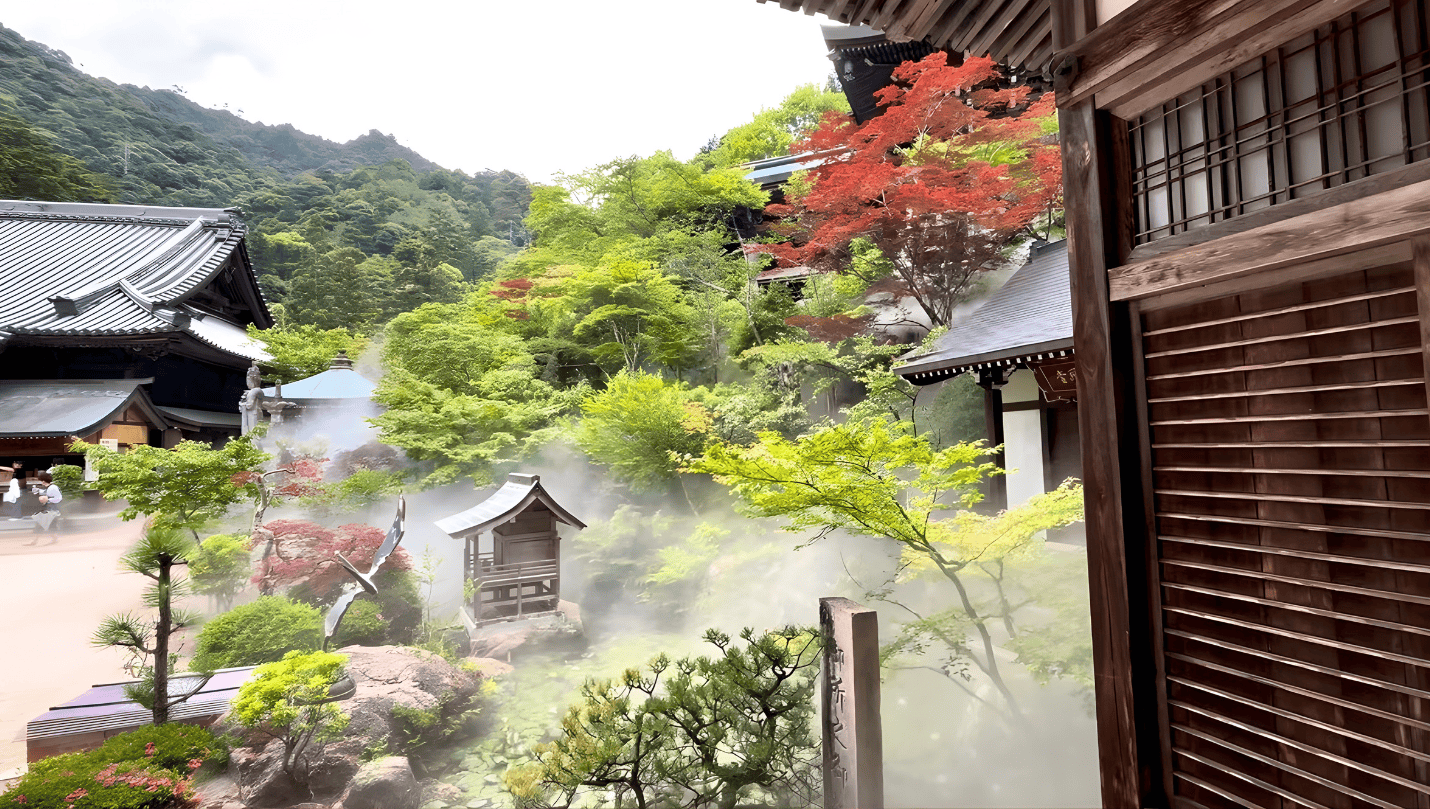
Environmental design has the power to shape how a place is perceived. At Daisho-in, the Sea of Clouds system does more than create a visual effect. It deepens the sensory experience of the grounds and gives visitors a reason to linger.
Atmosphere influences memory. When fog drifts across historic stone steps and through carefully maintained greenery, it changes how the space is experienced. It adds motion to stillness. It introduces contrast. It encourages exploration.
For Ikeuchi, this installation demonstrates how dry fog technology extends beyond industrial application. It can be used to elevate public spaces, enhance cultural sites, and create moments that feel both natural and intentional.
At Daisho-in, the result is not simply fog. It is an environment that feels alive.
— Hanna Binford
CMO, Ikeuchi USA