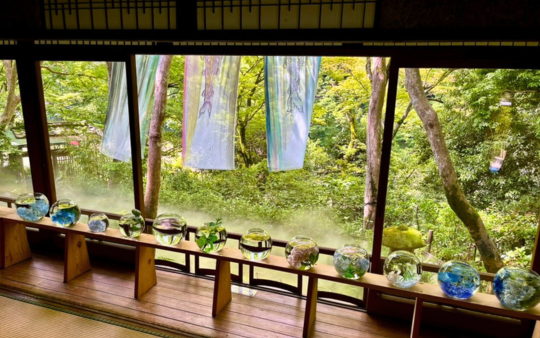
Blending Craft and Climate: A Visti to Yusai in Arashiyama

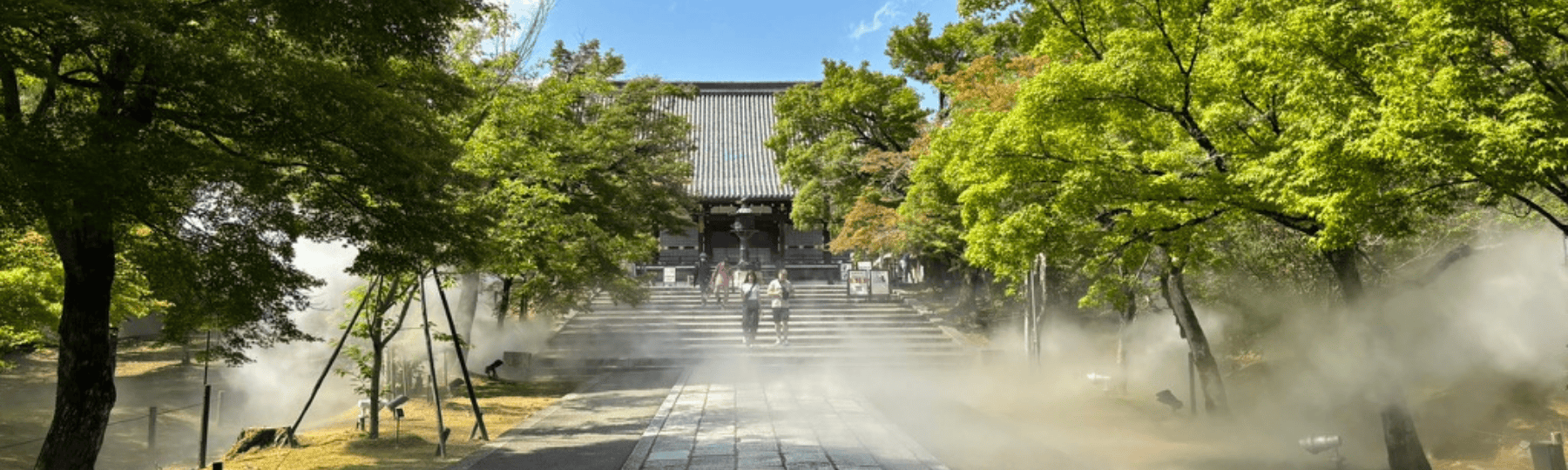
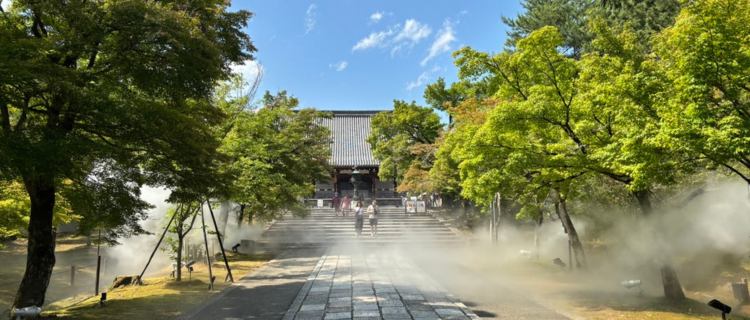
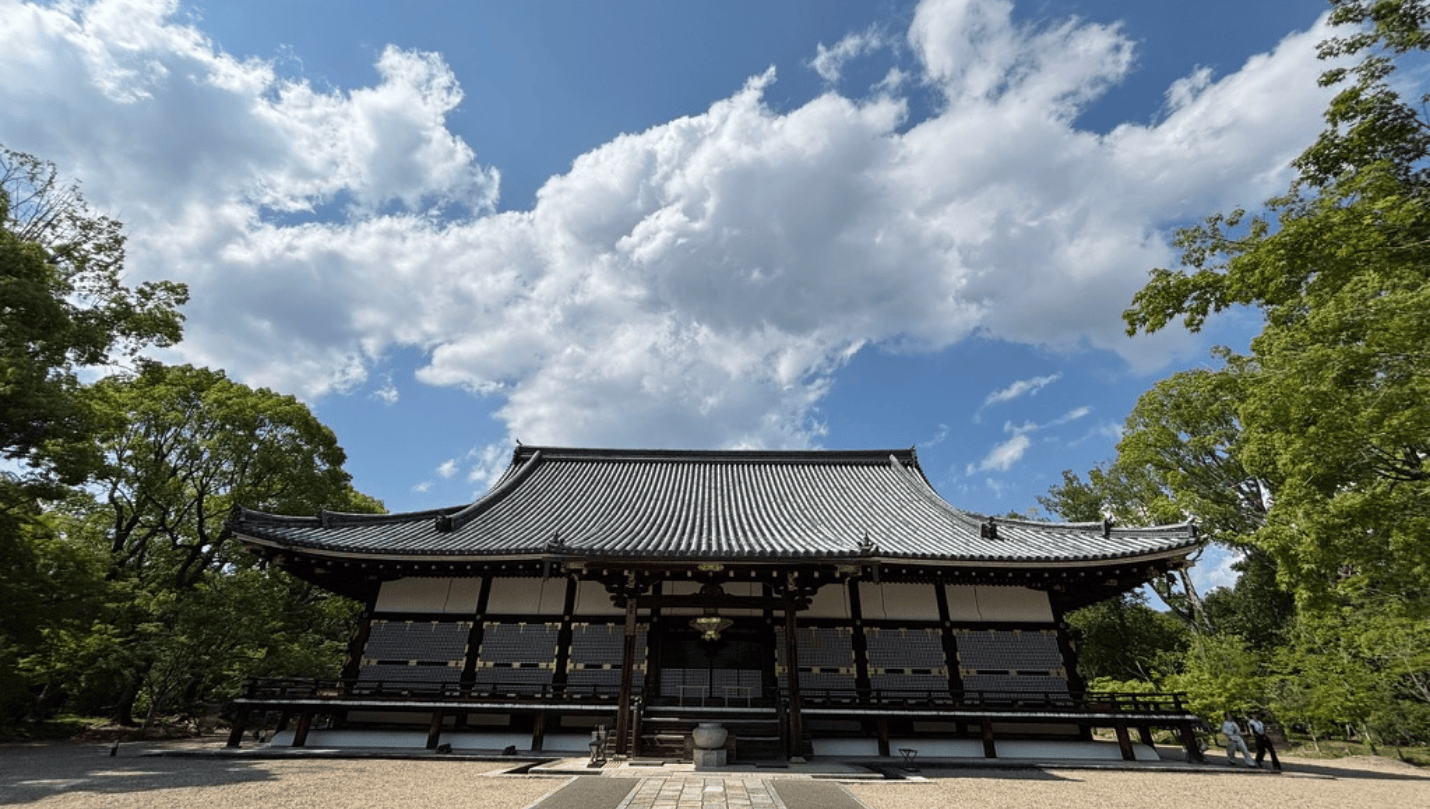
During a recent visit to Kyoto, I had the opportunity to visit Ninnaji Temple, a UNESCO World Heritage site, and see Ikeuchi’s Sea of Clouds system in action first-hand. Founded in 888 AD as the head temple of the Omuro school of the Shingon sect, Ninnaji is renowned for its historical architecture, expansive gardens, and seasonal cherry blossoms that attract visitors from around the world. Nestled in western Kyoto, near the scenic Katsura River, the temple provides a tranquil escape that balances cultural significance with natural beauty.
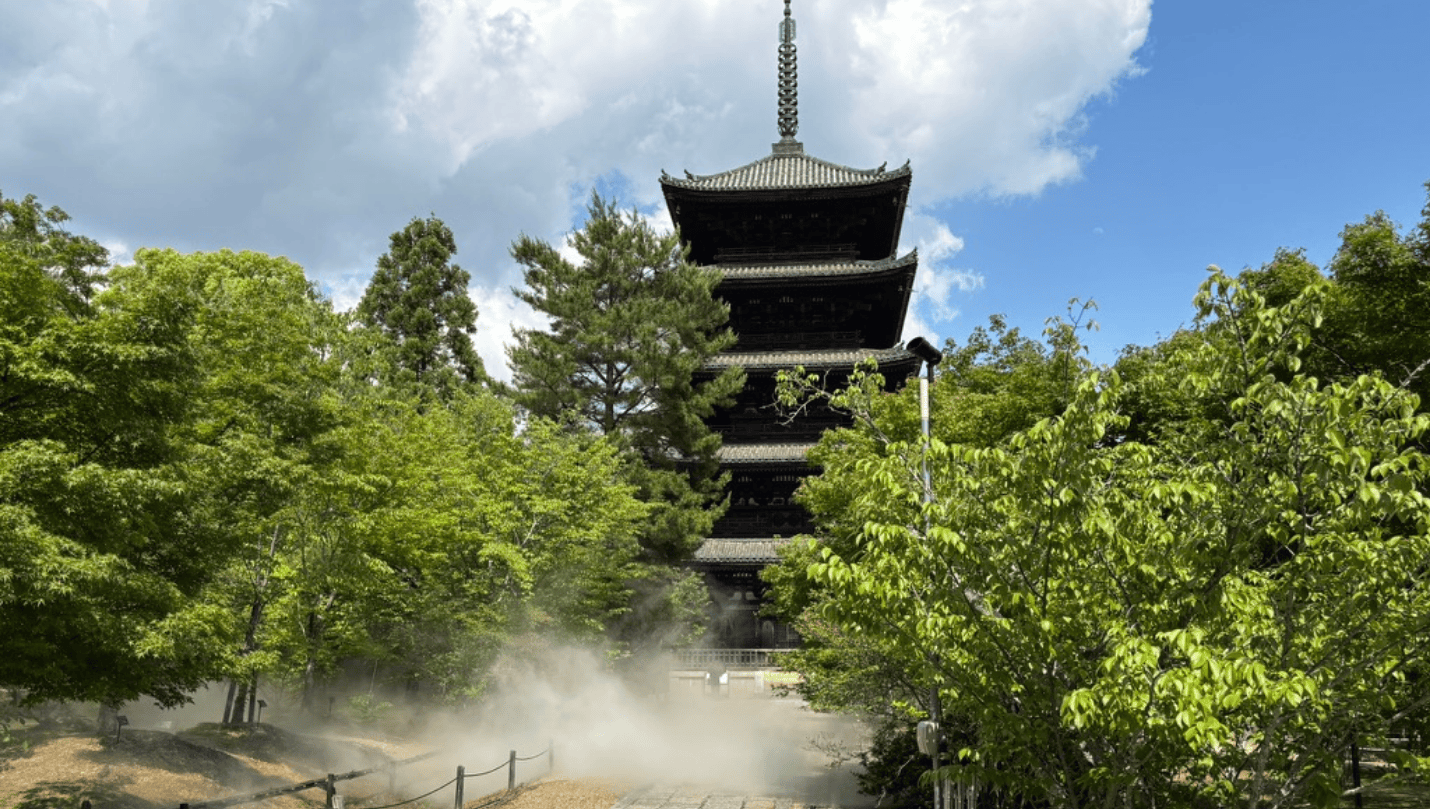
Ninnaji’s history is deeply intertwined with Kyoto’s cultural heritage. Originally built by Emperor Kōkō, it has served as a training and residence site for head priests of the Omuro school for centuries. The temple complex includes multiple halls, gates, and a five-story pagoda, each carefully preserved or restored to maintain historical integrity.
Visitors often remark on the Omuro cherry trees, which bloom later than other varieties, offering a unique and highly photogenic spring experience. Beyond the blossoms, the temple’s gardens and corridors are meticulously maintained to reflect the original design principles, balancing seasonal changes with architectural harmony.
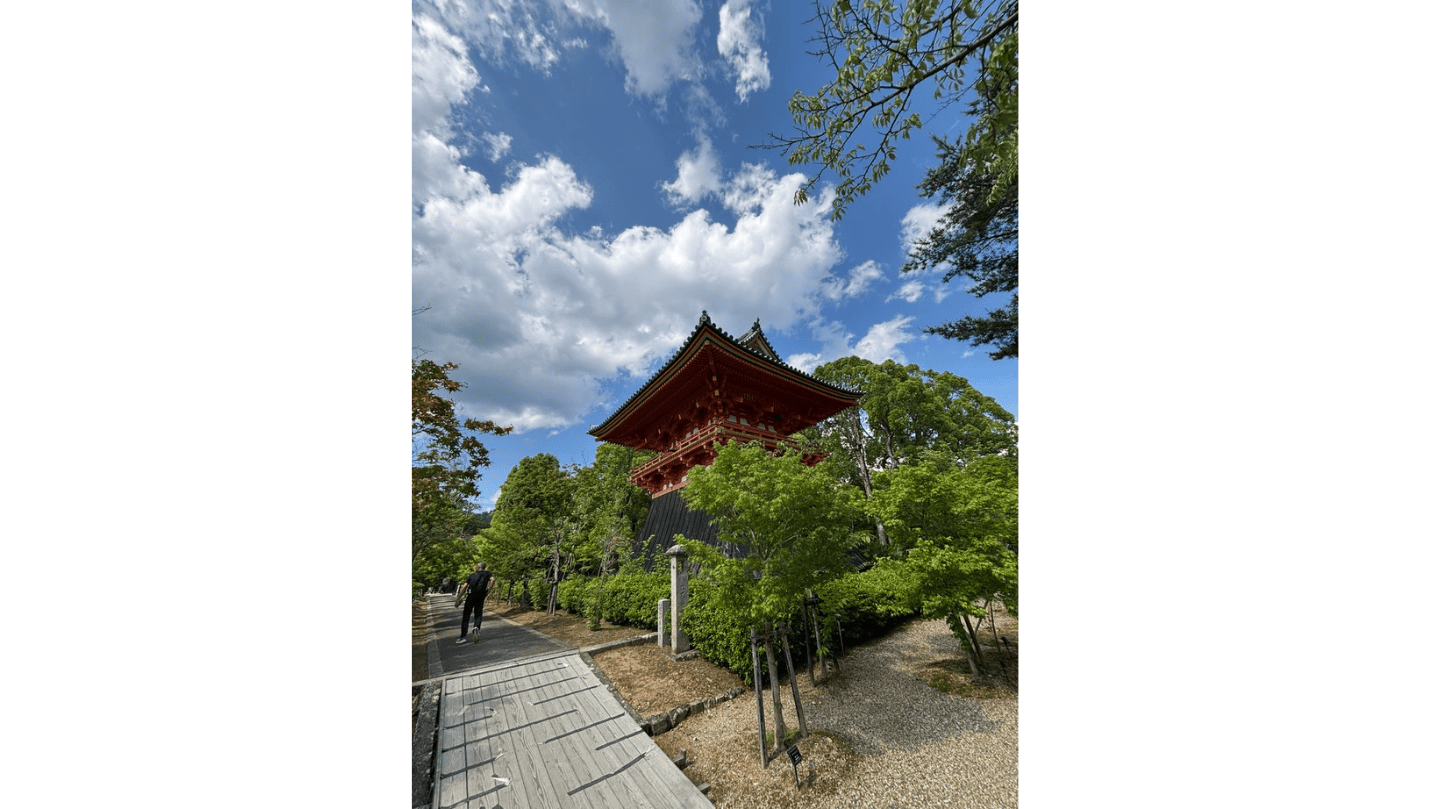
Walking through Ninnaji, it’s immediately apparent how the temple’s layout and landscaping guide visitors through a sequence of experiences. The combination of covered walkways, open gardens, reflective ponds, and carefully framed views encourages a mindful pace, inviting reflection and appreciation of both the natural and built environment.
From a professional perspective, the site exemplifies how environmental conditions — light, air, moisture — contribute to visitor perception. This is particularly relevant to how Ikeuchi’s environmental systems, such as the Sea of Clouds, can be incorporated in ways that respect and complement a historical setting.
The Sea of Clouds system subtly enhances Ninnaji’s gardens and grounds throughout the year, adding a unique element to each season:
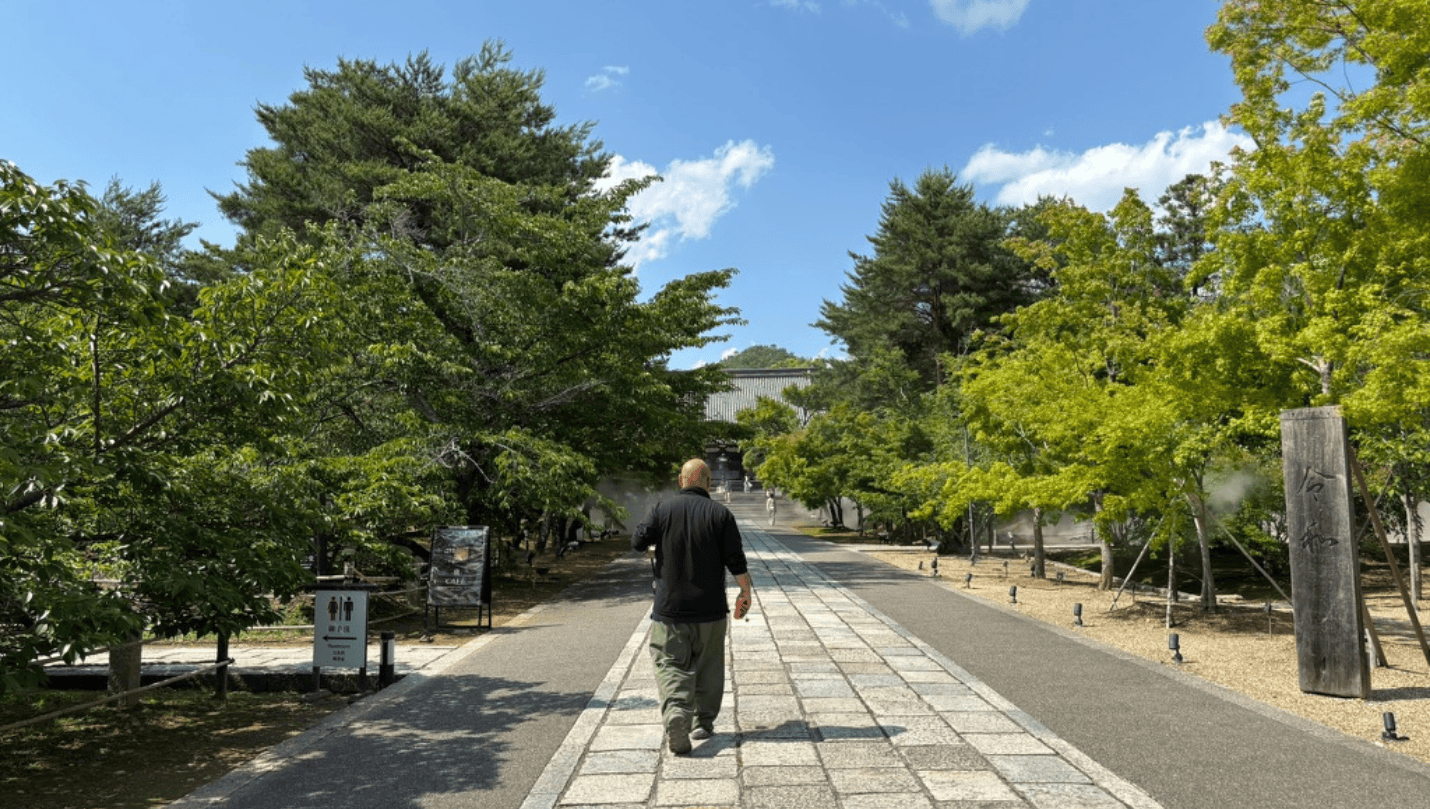
Seeing the Sea of Clouds in action first-hand was a reminder of how thoughtfully applied environmental design can enrich a historic space. Visitors naturally paused to admire the interplay of fog, light, and seasonal scenery. The effect is subtle yet immersive, adding depth to the experience and creating memorable moments for guests, all while respecting the cultural and historical significance of Ninnaji.
During my visit, I had the chance to speak with one of the monks (obōsan), who shared that the temple is constantly looking for ways to enhance their space and attract new audiences. He explained that the fog, combined with carefully placed light illuminations, has allowed them to expand seasonal events and programming. Additionally, the dramatic effects captured in drone footage have drawn considerable attention, helping the temple reach a wider audience, both in person and online.
We are grateful that the temple has incorporated our system, allowing visitors to enjoy the grounds in a fresh and engaging way, both in person and online. For anyone visiting Kyoto, Ninnaji offers a unique opportunity to witness how tradition, mindfulness, and subtle innovation can coexist beautifully.