Automatic Strainer Reduces Shower Test Maintenance at Automotive Plant

Solutions or Products Featured
in This Case Study
The following benefits were confirmed through testing with a demonstration unit:

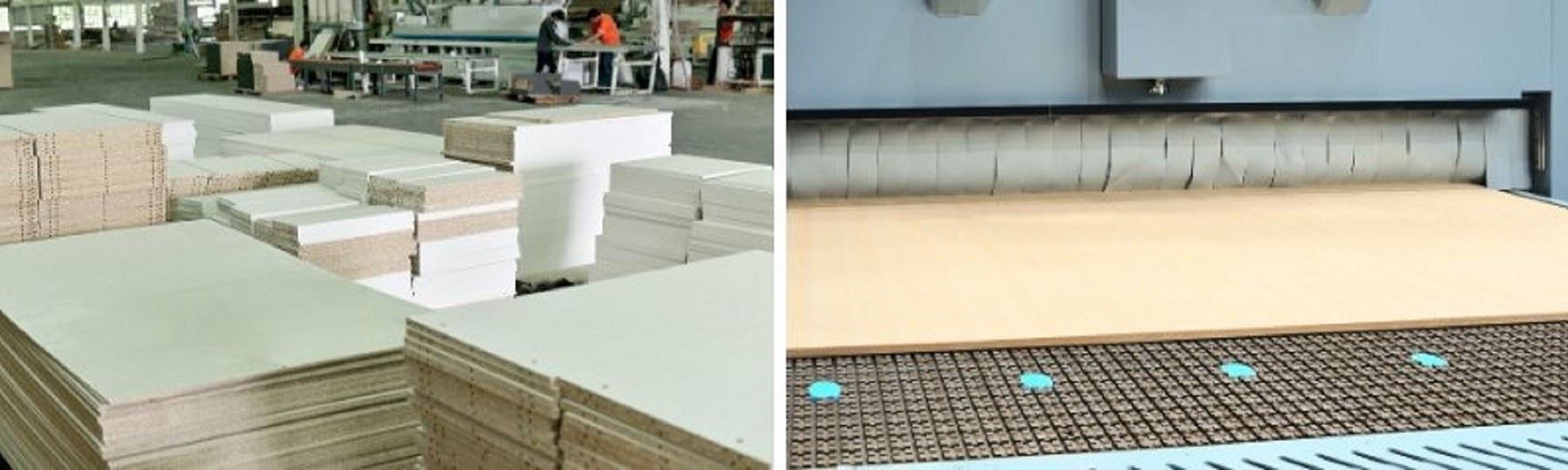
A particle board manufacturing factory was spraying a release agent onto the boards after shaping the material mixed with adhesive to prevent them from sticking to the conveyor. However, the associated costs had become a significant burden, prompting them to initiate a cost-reduction project.
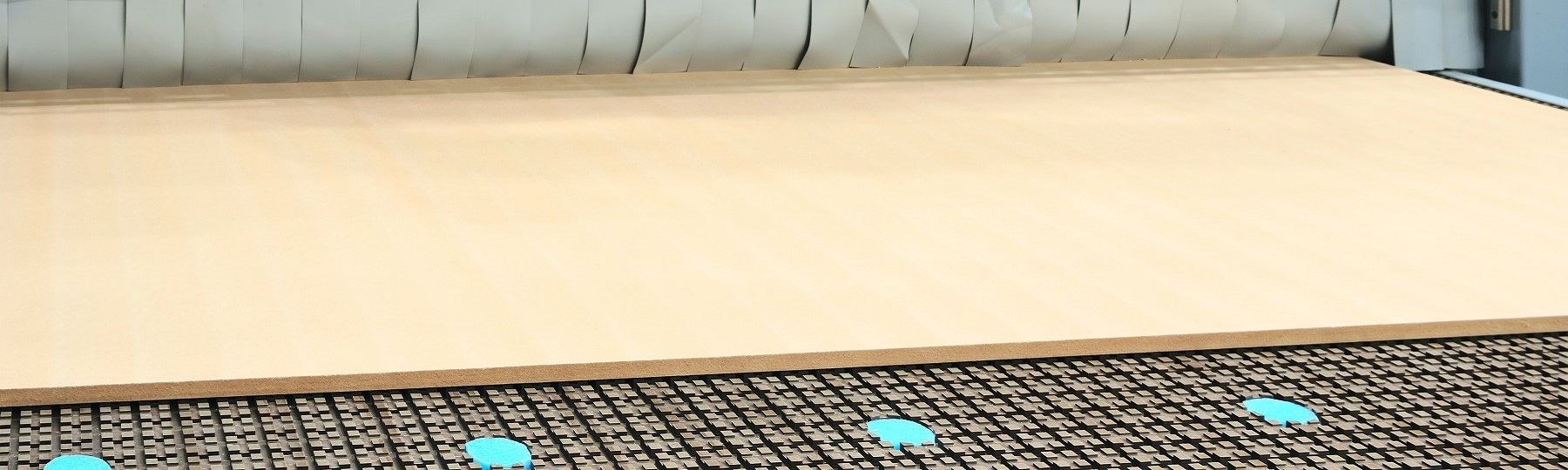
Particle board transport on conveyor after forming
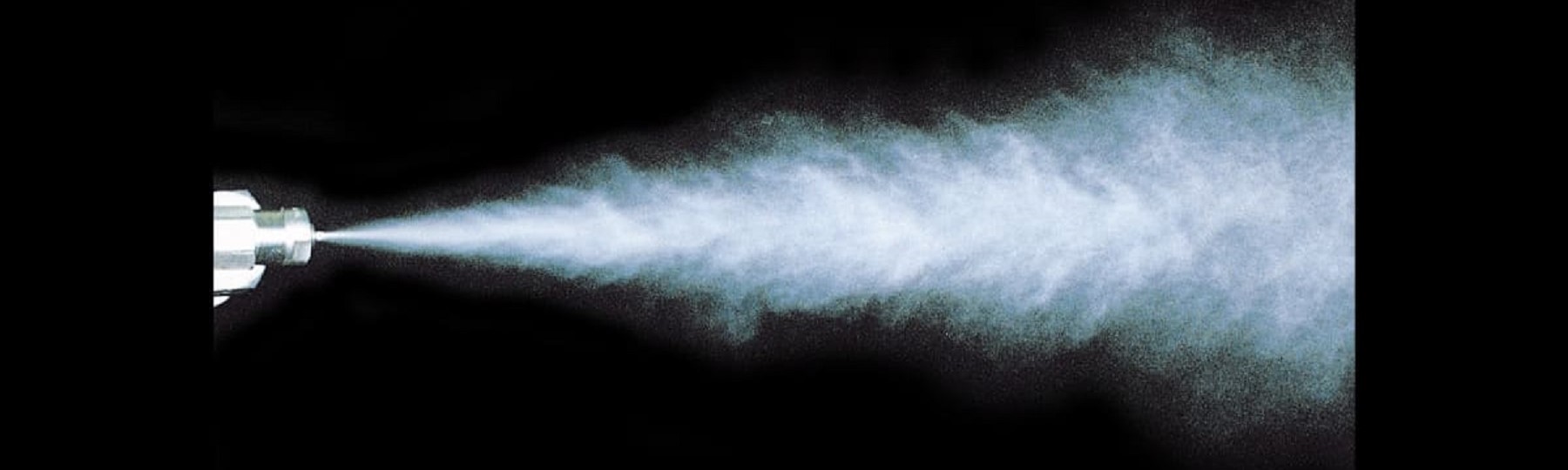
Spraying release agent
They were consuming 1m³ of the release agent per day, which translates to more than 2 liters per minute during 8 hours of operation. The disposal of waste liquid after spraying incurred an annual cost of 7 to 8 million yen.
Additionally, before disposing of the waste liquid, they had to manually clean the filters used to remove wood chips from the liquid three times a day.
To drive the project forward, the customer sought our support to address the following challenges:
We proposed the automatic backwash strainer ARS Series.
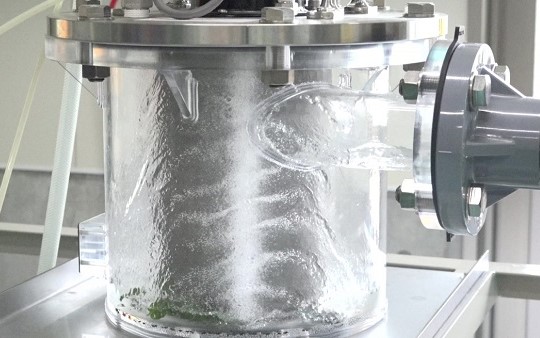
Automatic Backwash Strainer ARS Series
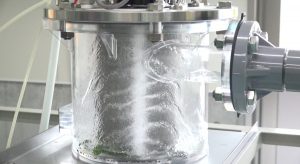
This automatic strainer detects the differential pressure between the supply liquid inlet and the filtered liquid outlet caused by foreign object buildup on the screen during filtration and automatically activates backwashing.
Next, spray nozzles positioned inside the screen emit jet streams, effectively removing foreign objects that have accumulated on the outside.
The removed foreign objects are discharged through the drain outlet, and the liquid supply and the filtration processes automatically resume. This cycle ensures that the strainer effectively maintains its functionality while achieving fully automated operation.
An on-site test promptly conducted with a demonstration unit confirmed its effectiveness.
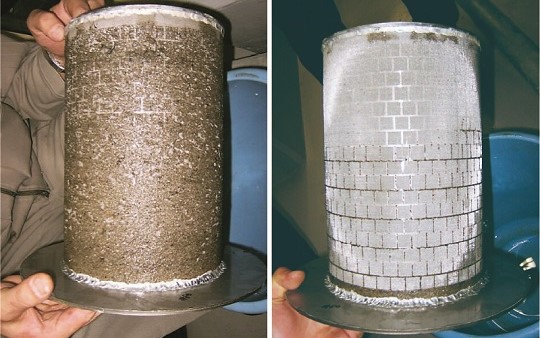
Filter Screen Before Foreign Object Removal (Left) and After Automatic Backwashing with Jet Spray (Right)
Building a system with this unit enables the filtration of wood chips from the sprayed release agent liquid and the recirculation of the liquid for reuse.
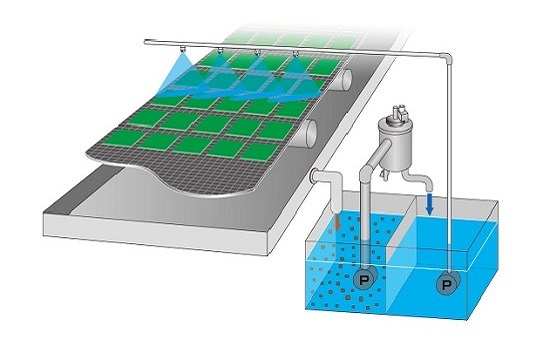
Effectively removing wood chips from the release agent liquid resulted in an 80% reduction in the annual waste liquid disposal costs, which previously amounted to 7–8 million yen. Simultaneously, the consumption of the release agent liquid was also reduced by 80%.
Additionally, eliminating the need for manual filter cleaning freed operators to focus on other tasks, significantly improving overall efficiency.