Articles by Industry: Agriculture | Benefits of Dry Fog in CEA | Greenhouse Humidity Management | Advanced Humidification for Indoor Farming | Optimize Crop Yield | Sustainable Farming

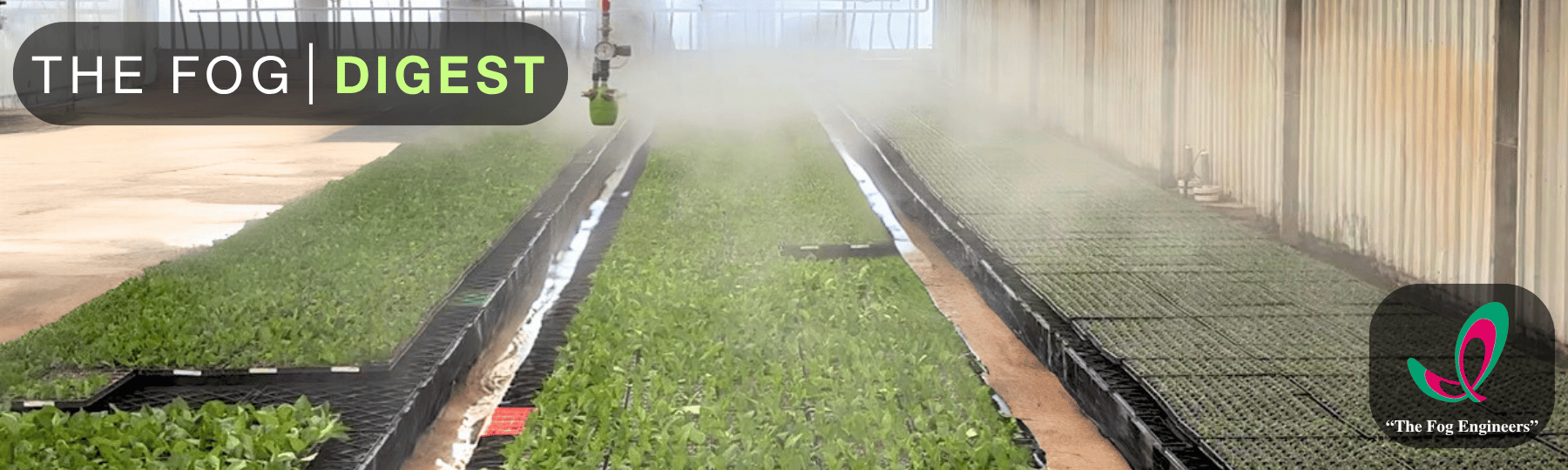
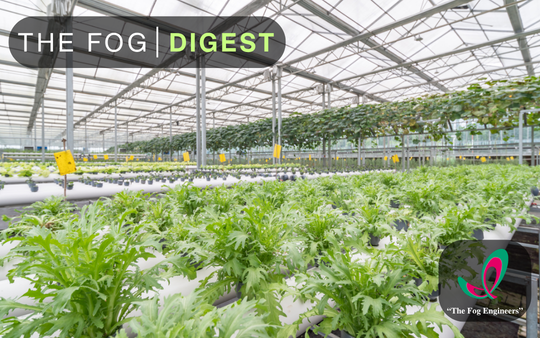
What if the key to higher yields and healthier crops wasn’t in the soil or the seeds, but in the air around them? Humidity, often overlooked, is a silent game-changer in modern agriculture. Mastering it can mean the difference between a struggling harvest and a thriving one.
Humidity plays a crucial role in plant health, affecting everything from transpiration rates to nutrient absorption. When humidity levels are optimized, plants can efficiently take in carbon dioxide and nutrients, leading to stronger growth and higher yields. Conversely, uncontrolled humidity can result in moisture stress, stunted growth, and increased susceptibility to pests and diseases.
Maintaining the right humidity level is a balancing act. Excessive humidity can encourage mold, mildew, and fungal diseases, while insufficient humidity leads to dehydration and slower photosynthesis. These challenges are particularly pronounced in greenhouses and indoor farms, where environmental control is essential to maximizing productivity.
One of the most effective ways to regulate humidity without over-saturating crops is through dry fog humidification systems like AKIMist®E. Unlike traditional misting systems that leave surfaces wet, dry fog consists of ultra-fine droplets that evaporate before settling. This ensures uniform humidity distribution, prevents waterborne diseases, and creates a stable environment conducive to optimal plant growth. Our system is completely automated with a sensor that controls everything, adjusting humidity levels in real time to maintain optimal growing conditions without manual intervention.
Farmers and greenhouse operators who have implemented dry fog solutions report significant improvements in crop quality and yield consistency. For example, tomato growers using dry fog technology have observed fewer instances of cracking and improved fruit firmness. Similarly, leafy green producers have noted enhanced leaf texture and reduced tip burn due to stable humidity levels.
To effectively integrate humidity control into agricultural operations, consider the following best practices:
By prioritizing humidity management, farmers can create optimal growing conditions that lead to healthier crops, reduced disease risk, and ultimately, higher yields. As technology continues to advance, precision humidity control will become an even more essential tool in sustainable agriculture.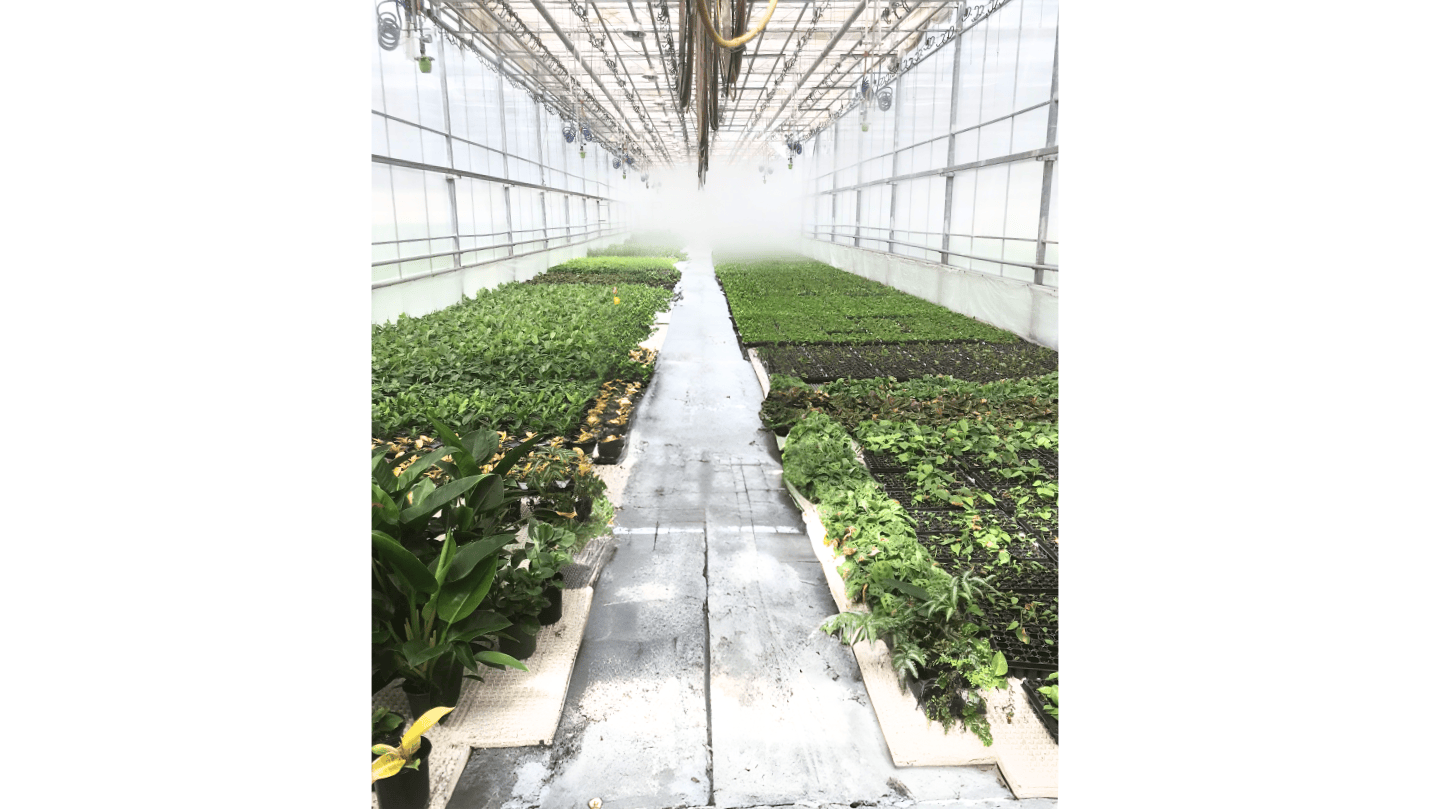

Articles by Industry: Agriculture | Benefits of Dry Fog in CEA | Greenhouse Humidity Management | Advanced Humidification for Indoor Farming | Optimize Crop Yield | Sustainable Farming
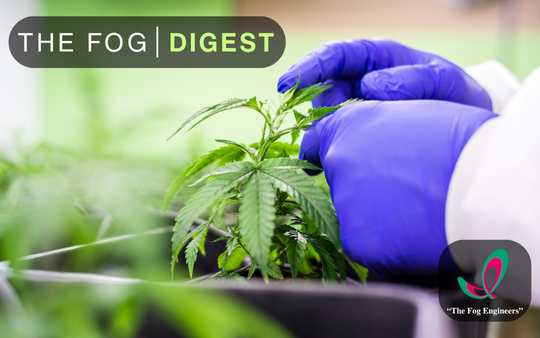
Dry Fog For Cannabis Cultivation | How to Grow Quality Bud | Indoor Grow for Cannabis
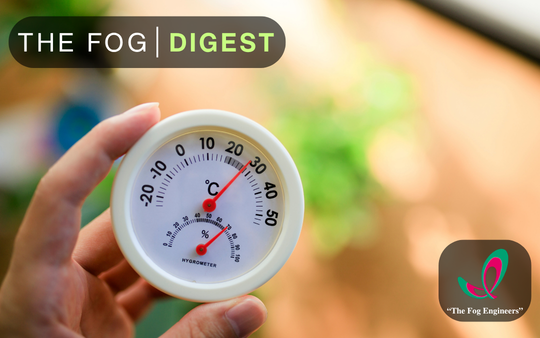
Optimal Humidity Levels For Each Industry | Diverse Industries, One Solution | Maximum Efficiency with Dry Fog