Dry Fog in the Food Industry: From Storage to Labeling



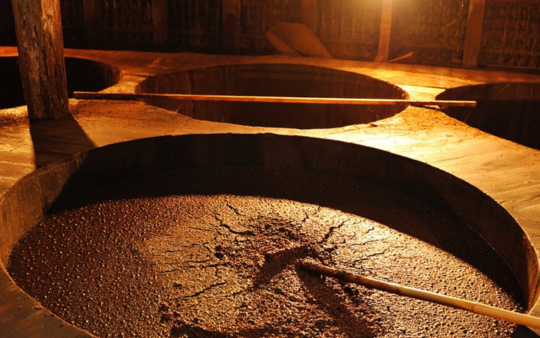
Fermented foods have long been at the heart of the traditional Japanese diet, from miso and soy sauce to pickled vegetables and sake. For centuries, these foods were not only a source of flavor but also a way to preserve ingredients and support health. Today, fermentation is experiencing a resurgence in Western diets, valued for both taste and its connection to digestive wellness. But while producers focus on ingredients, recipes, and timing, one critical factor is often overlooked: humidity. Even small fluctuations in air moisture can influence microbial activity, fermentation consistency, and the final flavor of the product. For producers balancing tradition with modern production demands, precision humidity control is essential, and dry fog humidification offers a reliable, low-maintenance solution.
Fermentation is highly sensitive to environmental conditions. Low humidity can cause excessive evaporation from the surface of fermenting liquids, impacting yeast and bacterial activity and resulting in off-flavors, uneven texture, or slow fermentation. Conversely, high humidity can encourage unwanted microbial growth, compromising safety and taste. Traditional Japanese fermentation relied on seasonal air and skilled monitoring to maintain balance. Today, with climate-controlled facilities and year-round production, replicating these conditions consistently is more complex. Producers need a solution that helps maintain uniform, stable humidity across fermentation rooms without constant manual adjustments.
Dry fog humidification introduces ultra-fine mist into the air, providing even humidity distribution without wetting surfaces or interfering with the process. Unlike conventional humidifiers, which can create local hotspots or excess moisture, dry fog helps maintain precise control across the entire fermentation space. Small-scale fermentation producers, including kombucha and craft beverage makers, can use dry fog to help maintain stable humidity throughout their production spaces. Consistent air moisture supports controlled fermentation, which is essential for achieving reliable batch conditions and preserving intended flavors.
As fermented foods gain popularity in Western markets, producers face pressure to scale production without sacrificing quality. Dry fog humidification provides a bridge between tradition and modern efficiency. It allows heritage fermentation methods to be maintained, while helping ensure that each batch meets expectations for flavor, consistency, and safety. Producers can confidently grow their operations, replicate traditional techniques, and maintain product integrity even in climates or seasons that differ from Japan’s historical conditions.
Humidity may be invisible, but it is one of the most important factors in successful fermentation. Dry fog humidification provides precise, reliable control, helping producers maintain consistent quality, preserve traditional flavors, and meet modern production demands. For sake breweries, miso makers, kombucha artisans, and other fermentation producers, Ikeuchi’s dry fog systems deliver the stability needed to keep every batch predictable, safe, and true to tradition.