Winter Is… Here! Protect Your Production from Dry Air with Dry Fog



Every winter, facilities face dry indoor air. Most teams focus on temperature control, but dry air can silently pull moisture from materials, affecting quality, efficiency, and safety. This moisture loss is predictable and measurable, and its impact varies depending on the material and industry.
Materials such as paper, solder paste, textiles, seeds, powders, and films continuously exchange moisture with the surrounding air. When indoor air is dry, this balance shifts and materials lose moisture. These changes are natural physical responses rather than equipment failures, but they can significantly affect production processes.
Across all industries, understanding how materials respond to dry conditions allows operators to take proactive measures. Targeted humidity control protects material properties, reduces process variability, and improves overall quality and efficiency.
Many facilities track building-level humidity but still encounter material performance issues. Moisture loss occurs at the material surface, where local conditions can differ from the room average. Even when the room measures within an acceptable range, sensitive materials may still experience stress that affects consistency and performance.
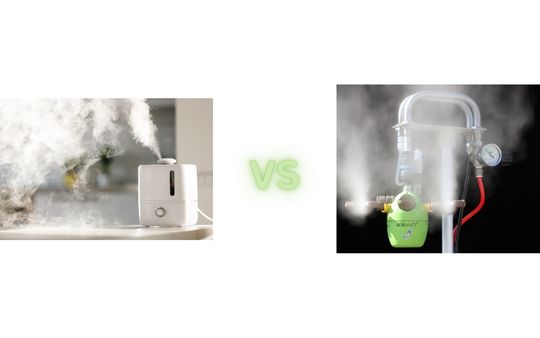
Preventing moisture loss requires targeted humidity management. Advanced systems use fine, evaporative droplets to add moisture without wetting surfaces, creating a stable environment around materials and helping them maintain their intended properties.
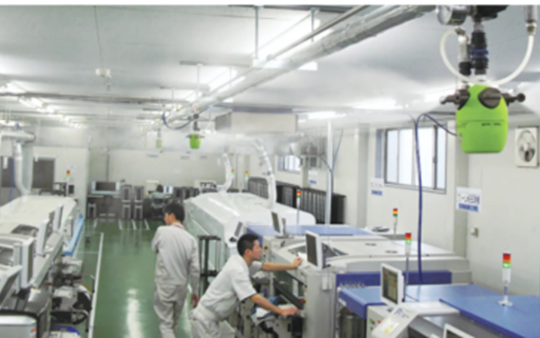
Our recommended approach is the AKIMist®E dry fog humidification system, which generates ultrafine droplets that evaporate instantly into the air. This system is designed to provide consistent, localized humidity control, ensuring sensitive materials retain their properties without affecting surrounding surfaces or processes. Its precision makes it well-suited for environments where stability is critical, from manufacturing floors to controlled environment agriculture.
Benefits of this approach include:
For industries where moisture-sensitive materials are critical, precision humidification—like the AKIMist®E—offers a reliable, low-maintenance way to maintain consistent operations, especially during the dry winter months.
Winter dryness is predictable, and so is moisture loss. By understanding these physical processes and actively stabilizing material environments, facilities can reduce seasonal disruptions, protect product quality, and maintain consistent operations. Treating humidity as a process-critical factor rather than a background condition transforms a seasonal challenge into an operational advantage.