Stable Humidity Control Improves Solder Paste Printing Quality and Prevents ESD Damage

Solutions or Products Featured
in This Case Study

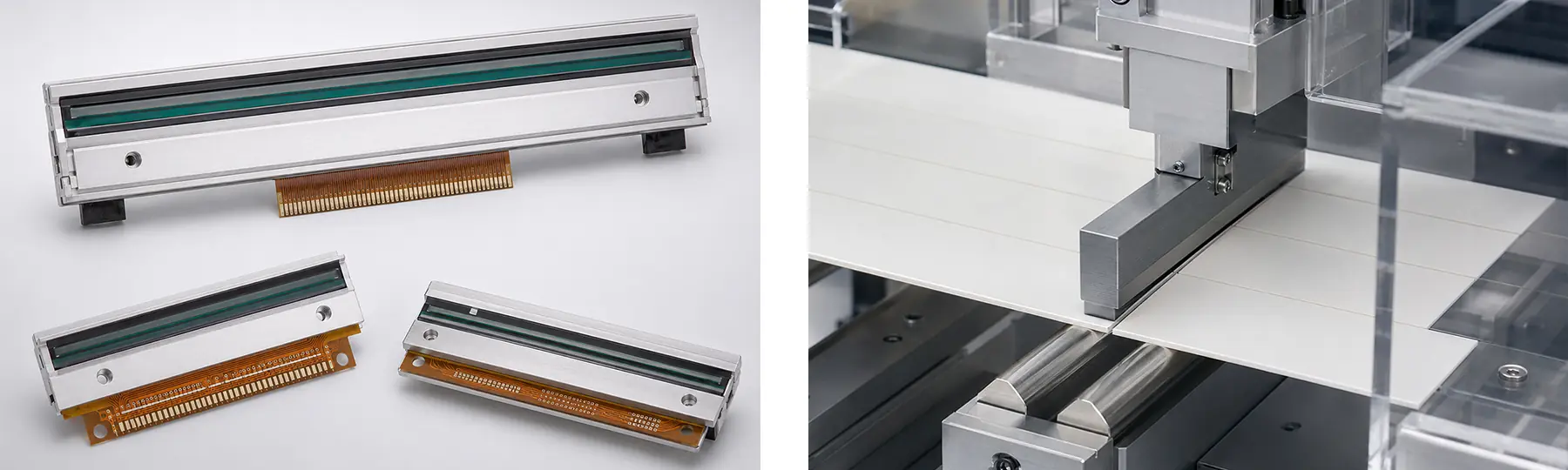
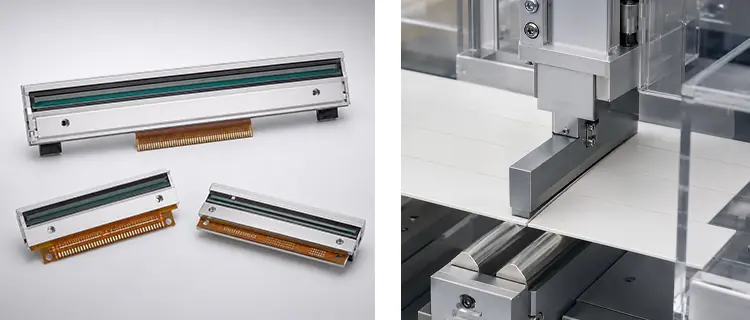
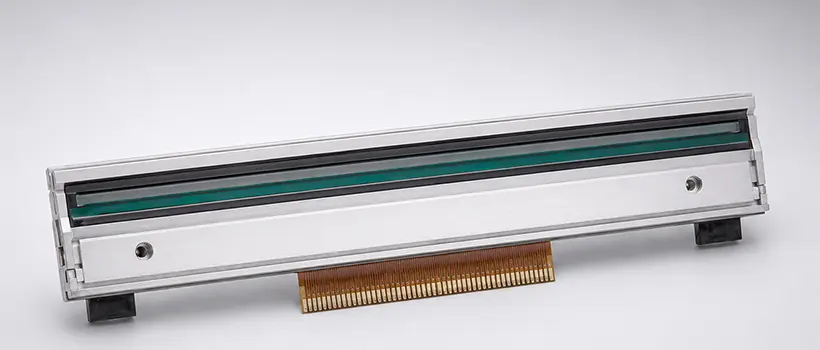
The customer is an electronic component manufacturer that produces thermal printheads, which use heat to print on thermal paper and similar media.
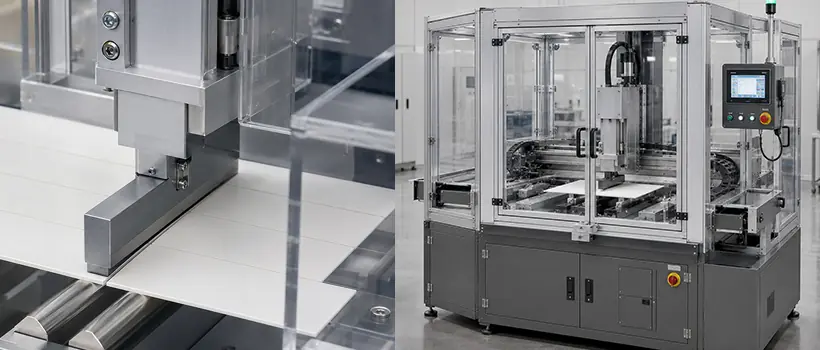
The issue occurred during substrate singulation, where ceramic substrates with resistive heating elements formed on them were separated into individual units. As the singulation equipment separated the substrates, static electricity was generated, and the resulting electrostatic discharge (ESD) damaged the resistive heating elements.
The discharge did not always cause complete failure.
In some cases, even slight changes in the resistance values of the heating elements resulted in quality defects. Defect rates rose sharply on low-humidity days, particularly in winter, causing production delays and lower yields.
Improving humidity control in the substrate singulation area therefore became an urgent priority.
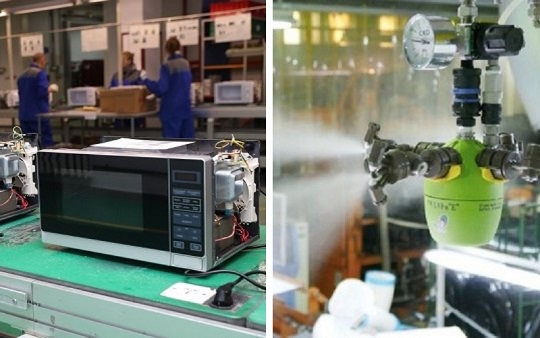
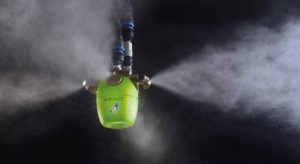
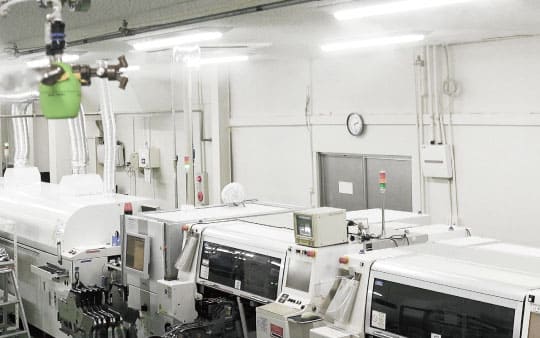
IKEUCHI proposed the AKIMist “E,” an energy-efficient pneumatic humidifier that generates Dry Fog —an ultra-fine fog that provides humidification without wetting surfaces. The Dry Fog can travel more than 4 m, enabling efficient humidification over a wide area.
The humidifier can be incorporated into a system with components such as control equipment, humidity sensors, and a water purifier, enabling automatic operation based on humidity levels.
Because wetting had to be avoided in this production process, IKEUCHI conducted an on-site demonstration before installation.
The demonstration confirmed that Dry Fog could provide the required humidification and effectively reduce static charge without wetting the products or adversely affecting product quality.
Rather than humidifying the entire room, the solution focused on spot humidification around the substrate singulation equipment, where static electricity was causing problems.
This approach efficiently maintained the required humidity level in the target area and suppressed static generation.
Maintaining an appropriate humidity level around the singulation equipment significantly reduced ESD damage and changes in the resistance values of the heating elements during substrate separation.
With product quality stabilized, the customer implemented an interlock control system linking the humidification system to the production line. If the humidifier stops or the humidity level falls below the specified threshold, the production equipment automatically stops to prevent potential quality issues.
Today, IKEUCHI’s humidification system is integrated into the production process as an important part of the plant’s quality-control measures.
Relevant SDG goals for this case.