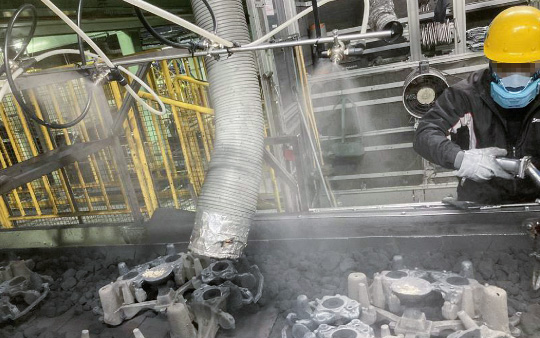
Automotive Parts Foundry: Fine Mist Suppresses Casting Sand Dust for a Safer Workplace

Solutions or Products Featured
in This Case Study
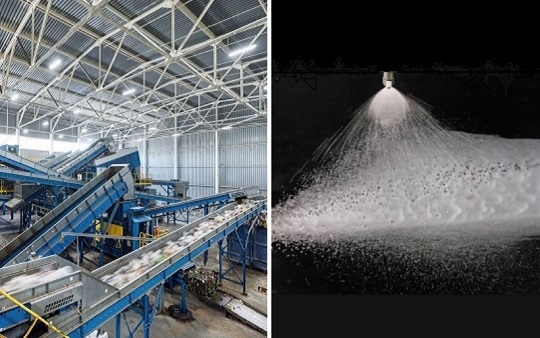
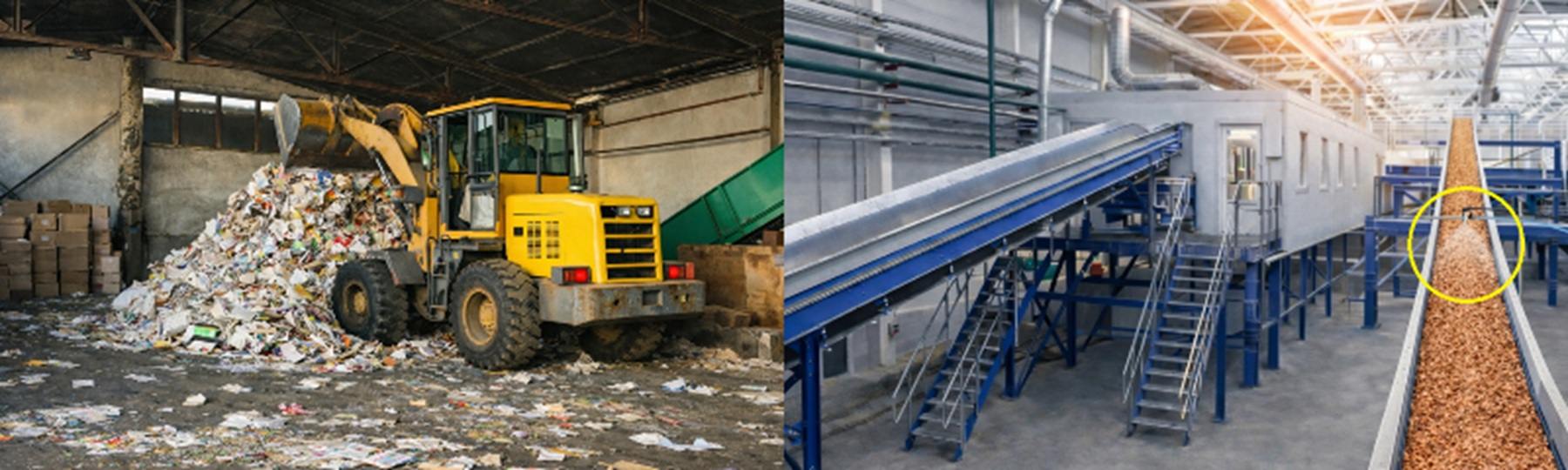
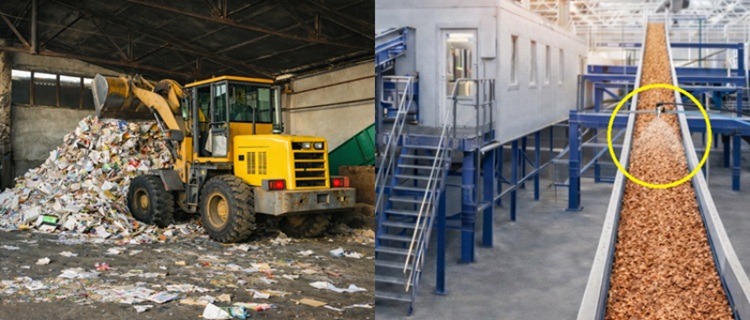
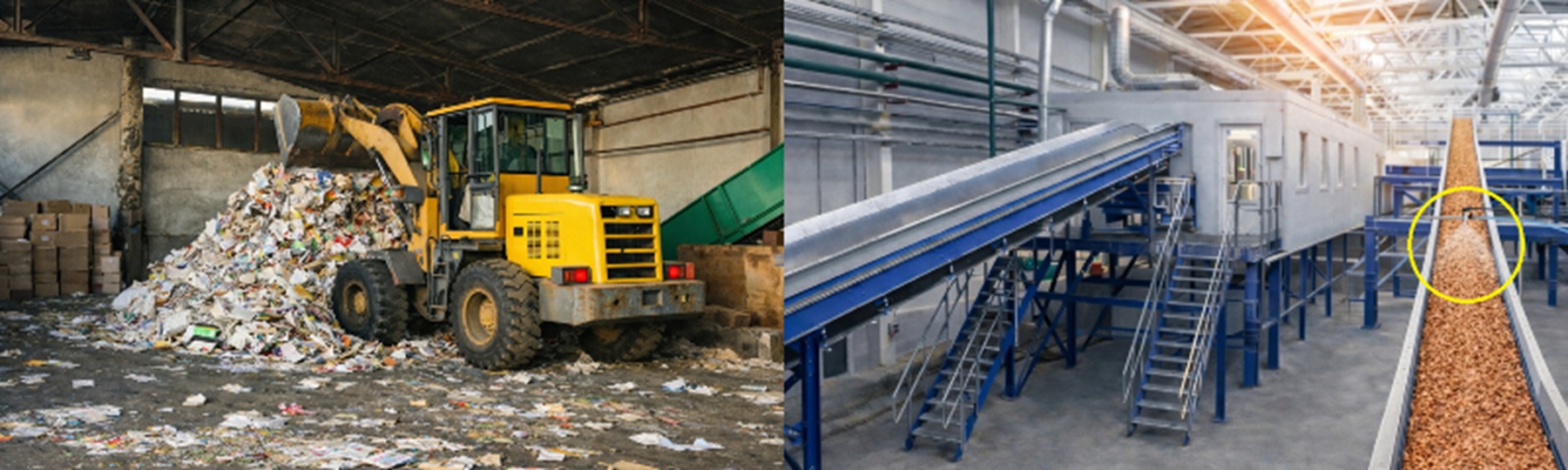
At an industrial waste treatment facility, dust generated from a waste-transport conveyor had become a persistent issue.
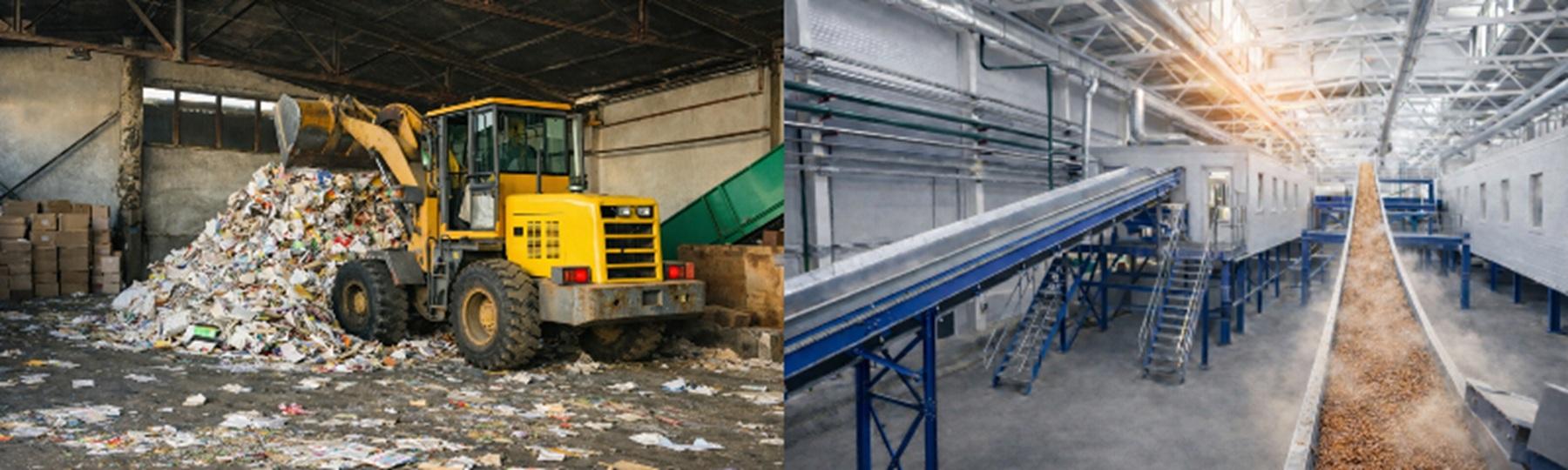
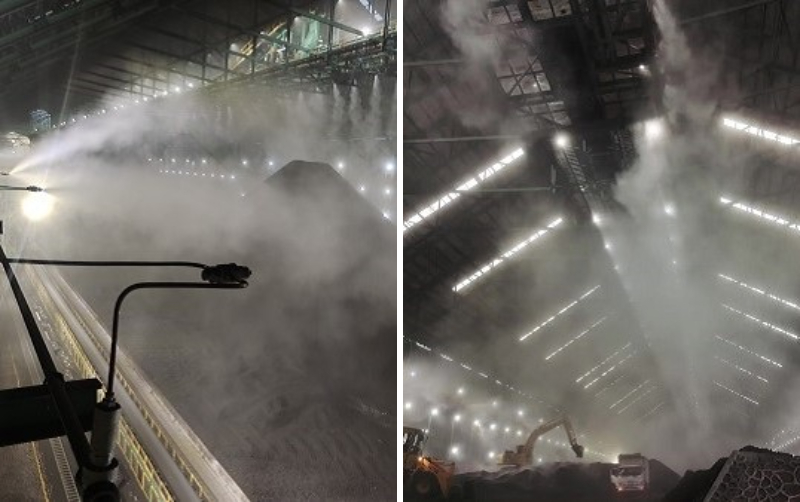
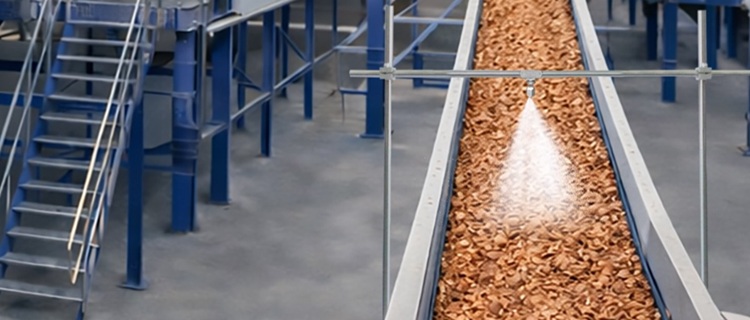
To suppress dust from finely shredded waste, the facility had installed a hydraulic spray nozzle* at the center of the conveyor width to deliver a flat-fan spray pattern. As the waste passed through the spray zone, the system wetted its surface to reduce airborne dust.
*A hydraulic spray nozzle uses pump pressure to atomize liquid inside the nozzle and discharge it as a spray.
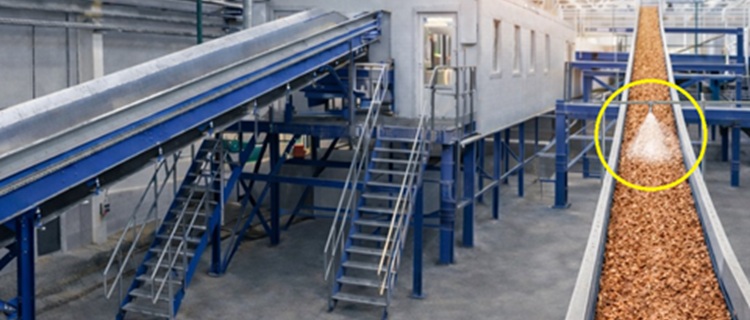
However, insufficient pump pressure produced coarse droplets and limited spray spread, leaving parts of the conveyor surface inadequately covered. In addition, airborne dust adhered to the nozzle orifice, causing frequent clogging and requiring weekly nozzle cleaning.
After reviewing the application, our sales representative first considered increasing the pump discharge pressure. Higher pressure would produce finer droplets and broaden the spray angle to some extent.
However, this would not sufficiently address clogging caused by dust adhering to the nozzle orifice. Moreover, if the pump-to-nozzle water line was not designed for higher pressure, increasing the discharge pressure could require new piping work. For these reasons, he determined that increasing pump pressure alone would not be a sufficient solution.
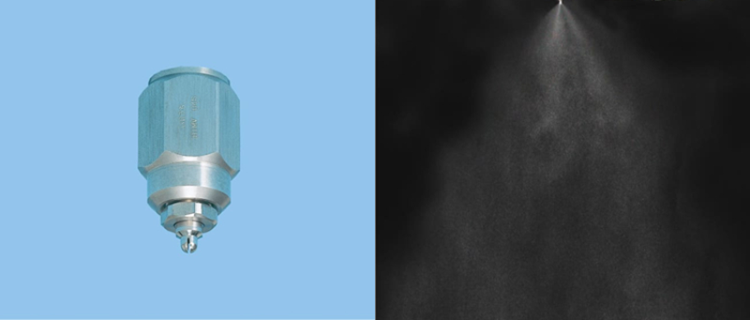
Therefore, he proposed replacing the existing nozzle with the BIMV pneumatic spray nozzle, which mixes compressed air with water to atomize the liquid and produce a spray. Compressed air creates sufficient spray spread to cover the entire conveyor surface uniformly. In addition, airflow at the orifice helps blow away adhering dust, preventing dust buildup and minimizing clogging.
Fortunately, a compressed-air supply connection was already available nearby, so the required work was limited to replacing the nozzle and connecting tubing. Despite a modest increase in operating cost, the facility approved implementation because the proposed solution was expected to improve both dust suppression and clogging resistance.
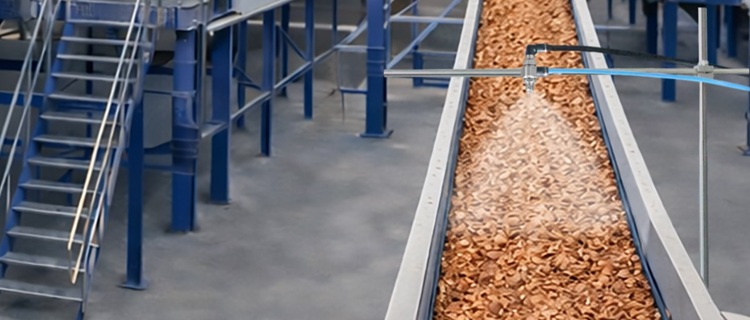
After switching to the BIMV Series, the system produced a uniform flat-fan spray pattern with finer droplets at the same pump discharge pressure, covering nearly the full conveyor width. Air-assisted operation also reduced clogging caused by external dust adhesion, cutting the cleaning frequency to once every 1.5 months.
IKEUCHI spray nozzles continue to help industrial waste treatment facilities achieve both environmental control and reduced maintenance work.
Relevant SDG goals for this case.