
Gas Turbines: Powering Our Modern World



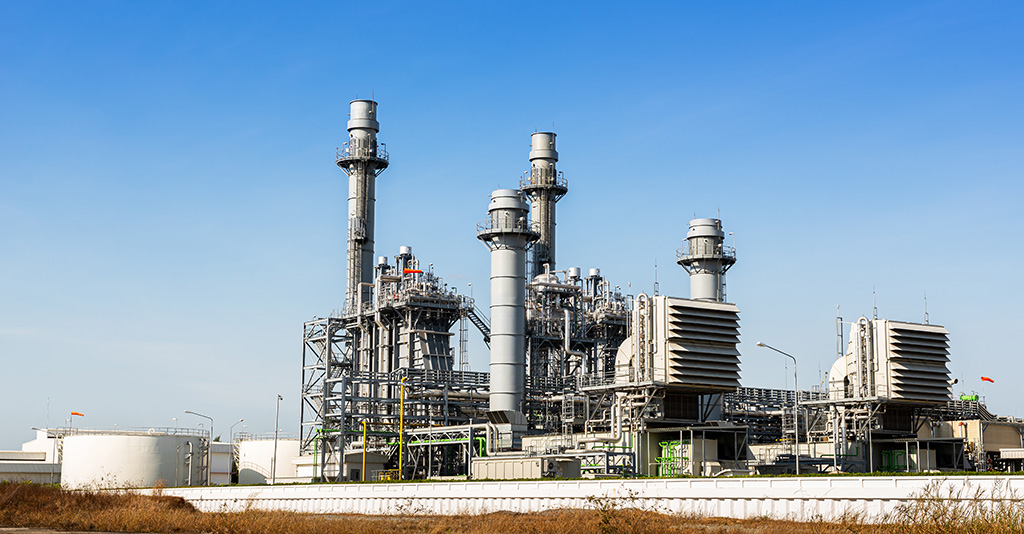
For over 70 years, IKEUCHI has been at the forefront of research and development in spray nozzle technology, addressing complex challenges across a wide range of industries. One of our key innovations is the Gas Turbine Inlet Air Cooling System. This crucial technology helps ensure a stable power supply during the summer, a season of high electricity demand.
In this article, we will explore the key features and benefits of this indispensable system.
Table of contents

A gas turbine generates power by drawing in ambient air. However, in the elevated temperatures of summer, the air expands, reducing its density and resulting in less air mass entering the turbine. This reduction in inlet air results in a drop in power output.
It is widely observed that power output falls by approximately 0.6 to 0.8% for every one-degree Celsius rise in ambient air temperature.
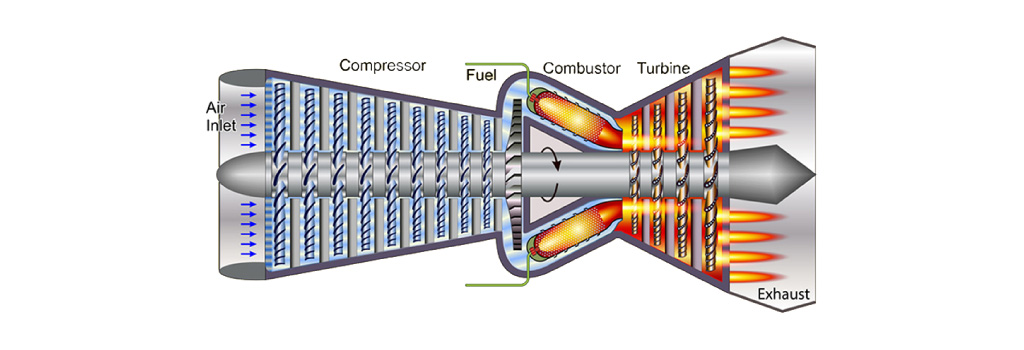
The technology, which cools the inlet air, increases its density, and allows more air to enter the turbine, preventing a drop in power output, is known as “Gas Turbine Inlet Air Cooling (GTIAC).”
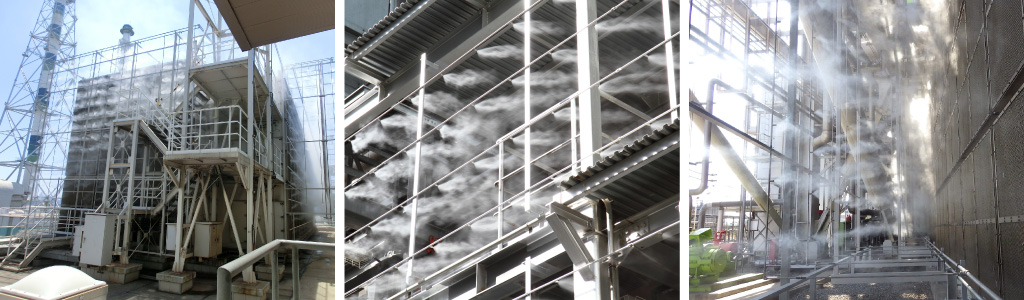
There are three primary methods for cooling inlet air: evaporative cooling, chiller systems, and inlet fogging.
Evaporative cooling uses the process of water evaporation to cool the air, making its system relatively simple and cost-effective. However, its efficiency is limited in high-humidity environments.
Chiller systems use refrigerants to cool the air, providing greater cooling potential, but they require a higher initial investment and cannot be retrofitted to existing gas turbines.
IKEUCHI, as a specialist in spray nozzle technologies, offers a Gas Turbine Inlet Air Cooling System that uses inlet fogging, a method of cooling by water spraying, which is renowned for its superior cost-effectiveness.
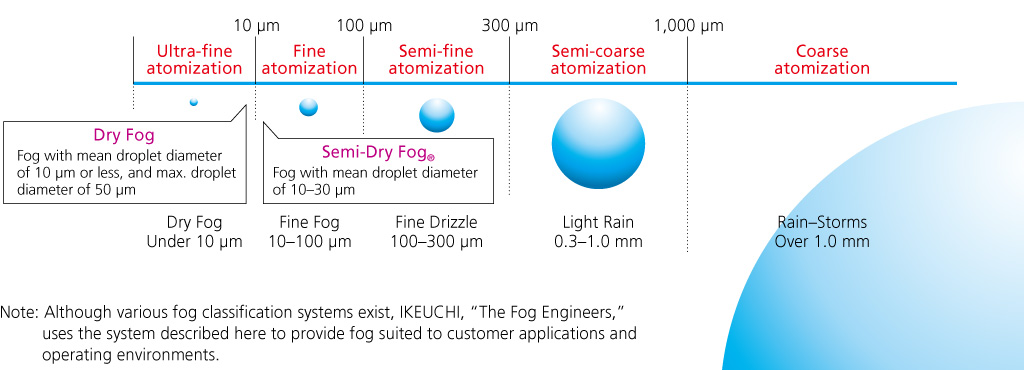
This system sprays a fine fog called “Semi-Dry Fog®” with a mean droplet diameter of 10 to 30 μm. By utilizing its heat of evaporation to cool the inlet air, the system increases air density and boosts turbine efficiency.
While there are three types of inlet fogging approaches available, IKEUCHI can accommodate any of these, designing and providing an optimal system tailored to customer requirements, facility specifications, and onsite environments.
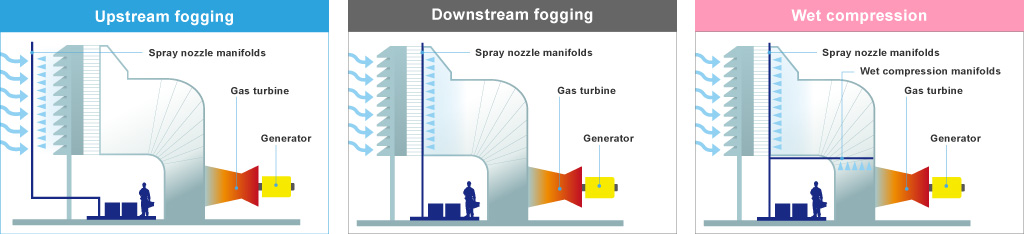
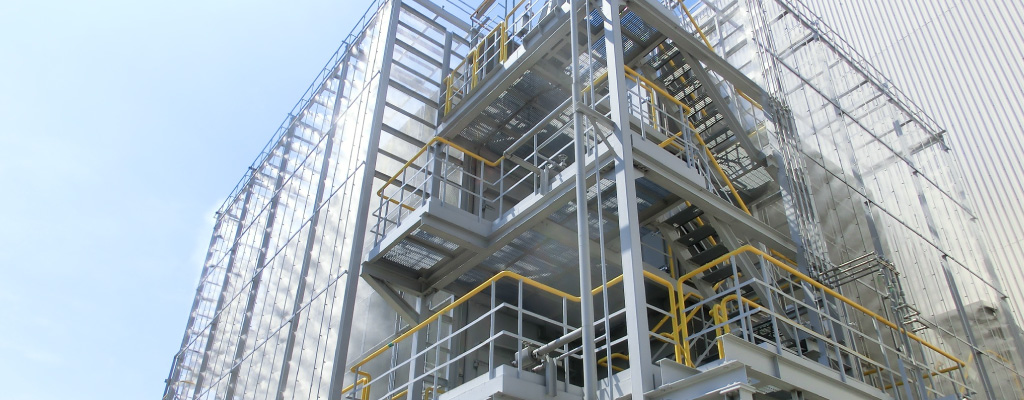
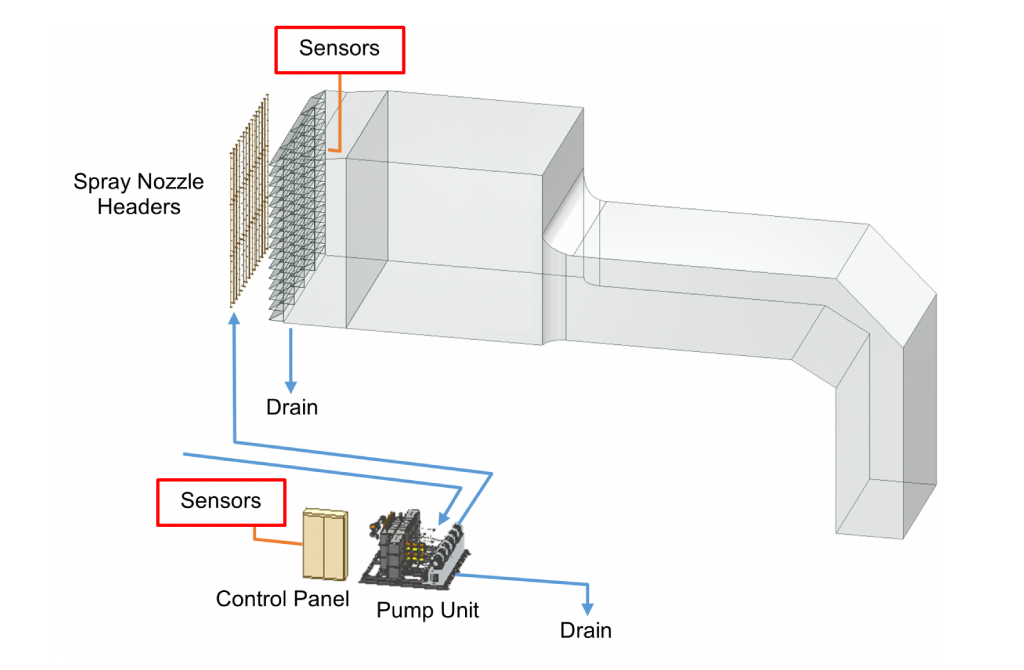
IKEUCHI’s gas turbine inlet air cooling system consists of four key components:
|
Spray Nozzle Headers
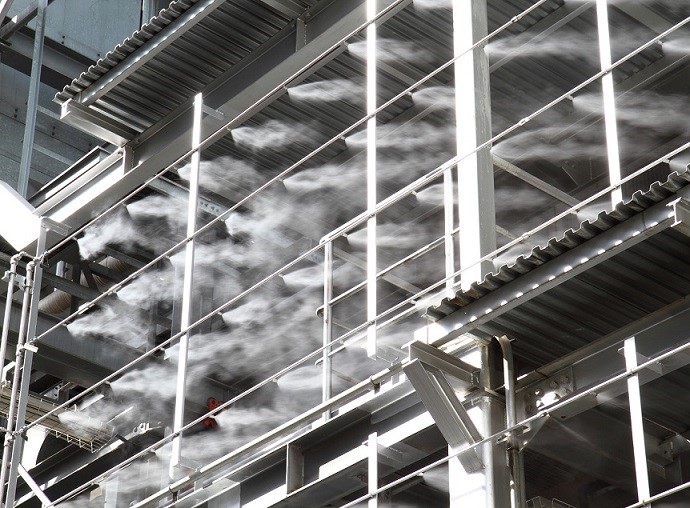 Evenly spray “Semi-Dry Fog®” to efficiently cool the inlet air using the heat of evaporation, increasing air density and mass. |
High-pressure Pump Unit
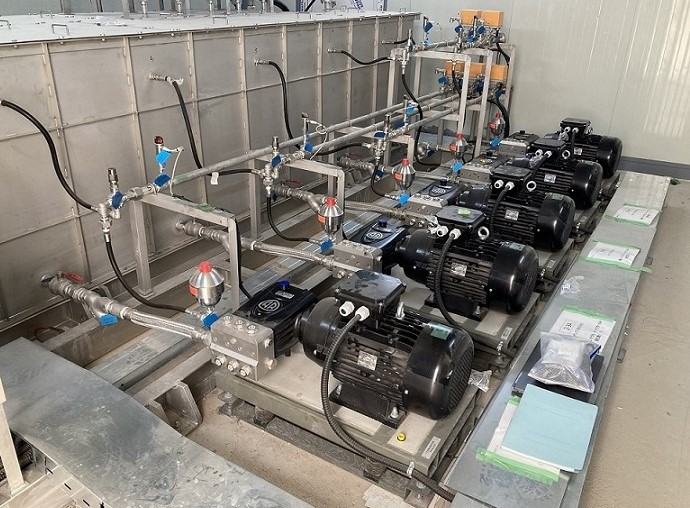 Supplies high-pressure water to the spray nozzles on the headers. |
|
Temperature and Humidity Sensors
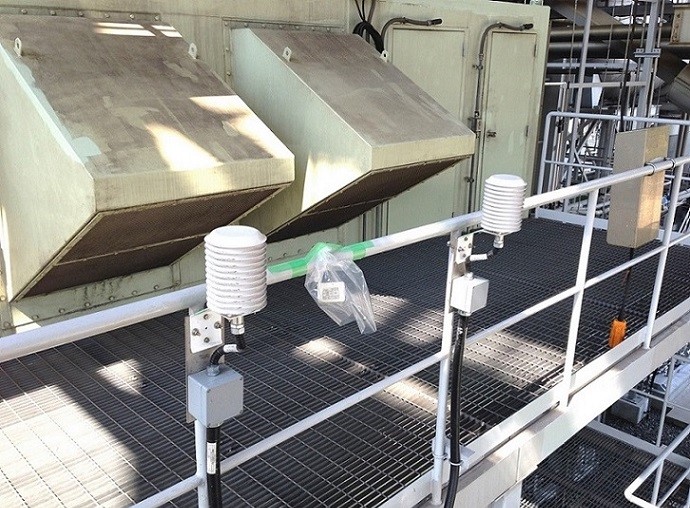 Continuously monitor inlet air temperature and humidity in real time, sending data to the control panel. |
Control Panel
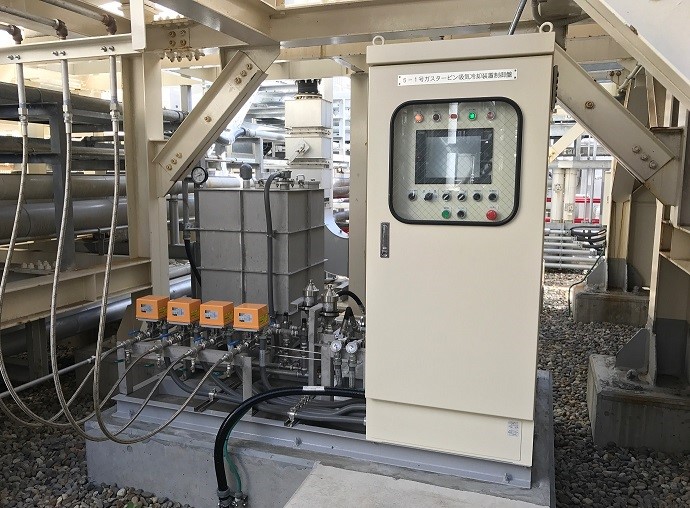 Optimally adjusts the spray volume in response to variations in inlet air conditions, enabling automated system operation. |
Challenges with Conventional Nozzles:
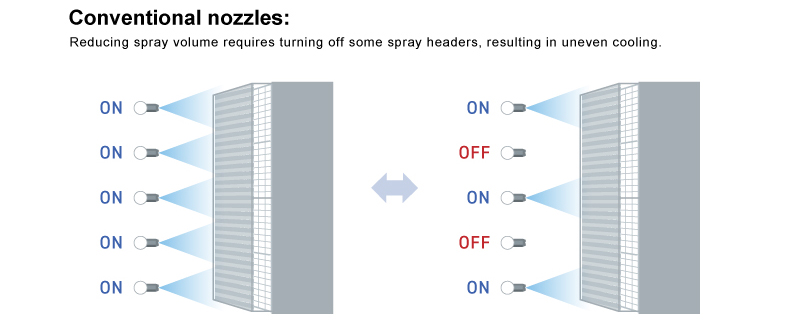
To overcome these challenges, IKEUCHI has developed proprietary nozzles specifically engineered for inlet air cooling.
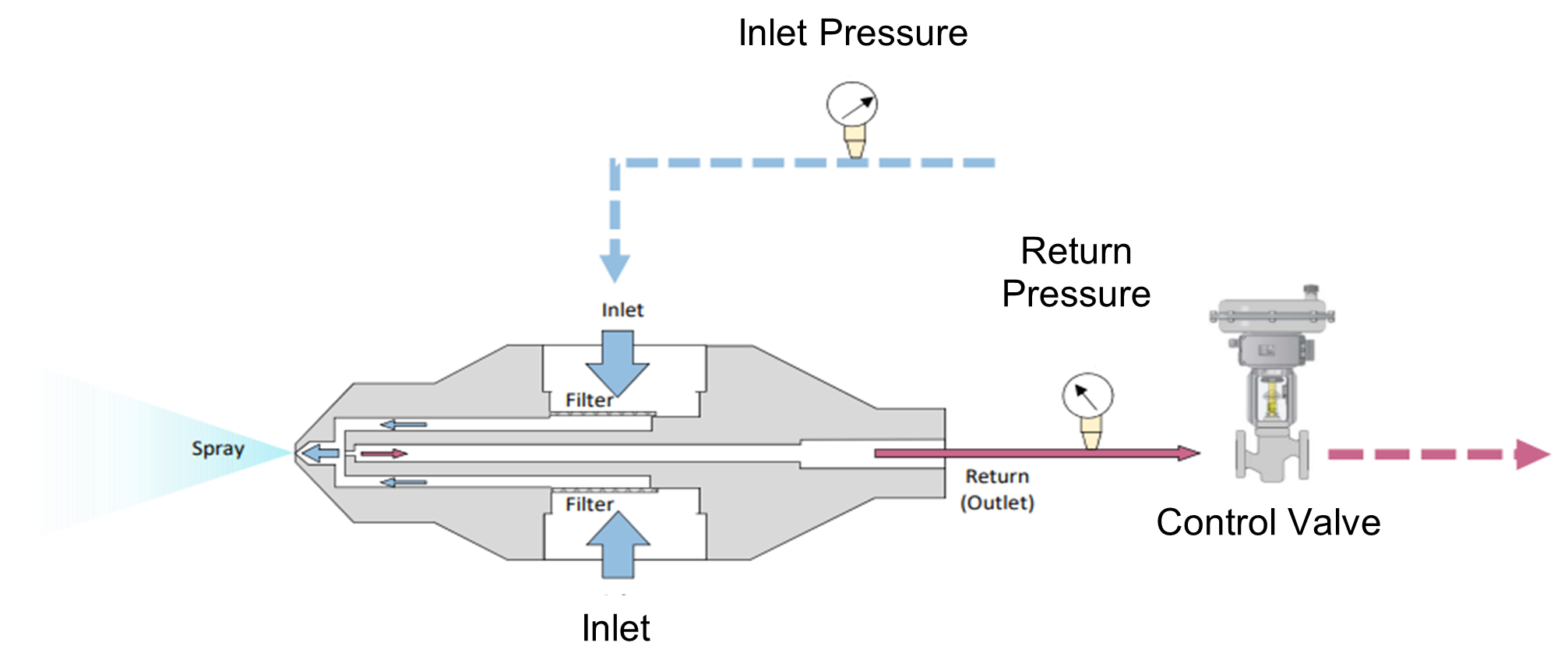
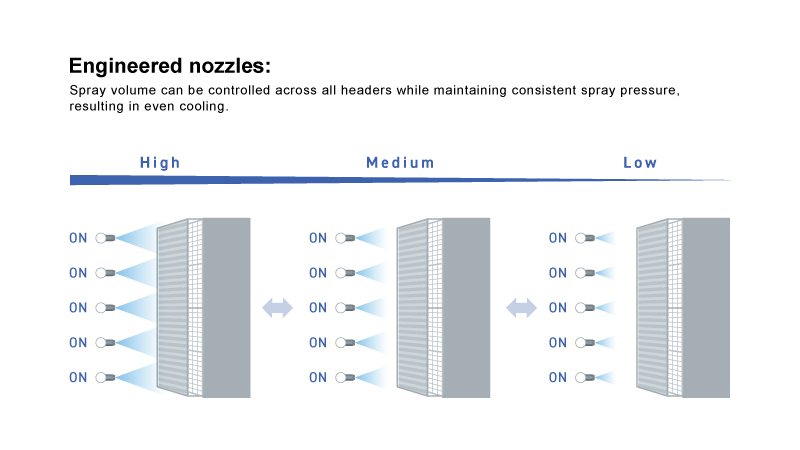
The key features and benefits include:
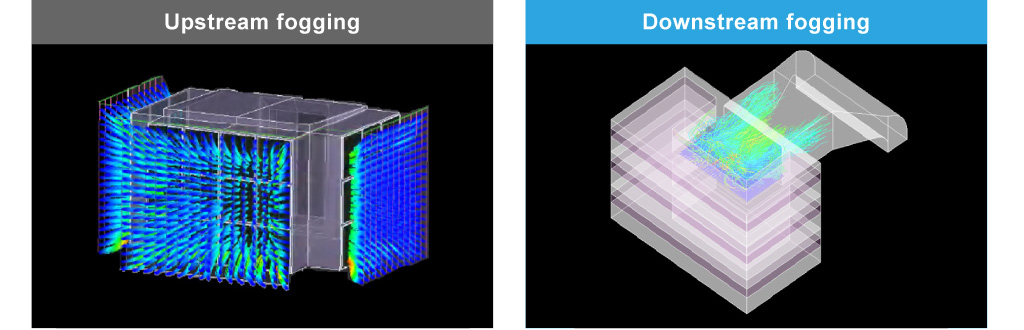
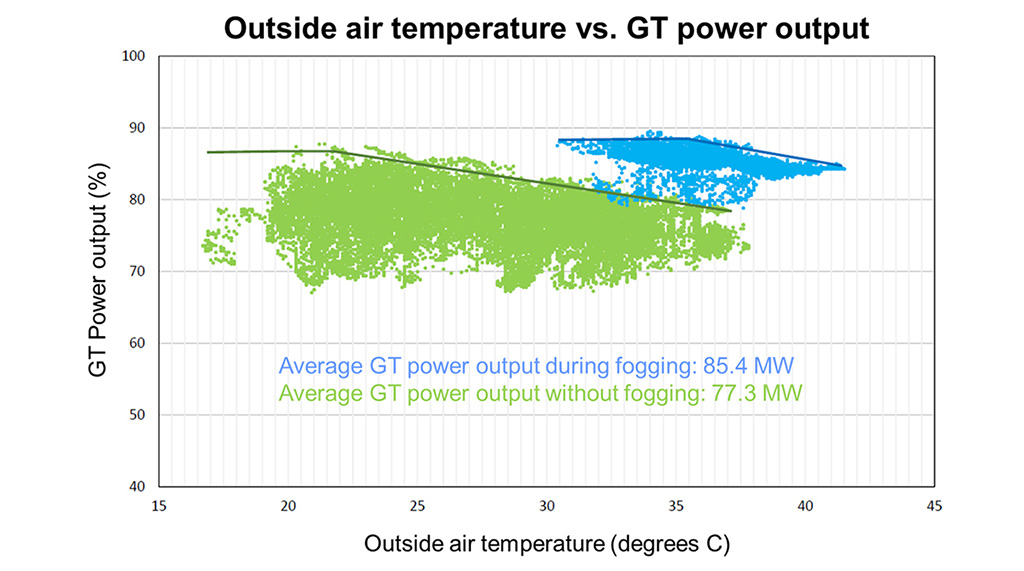
Our system achieved a 15-degree Celsius reduction in inlet air temperature in the Middle East.
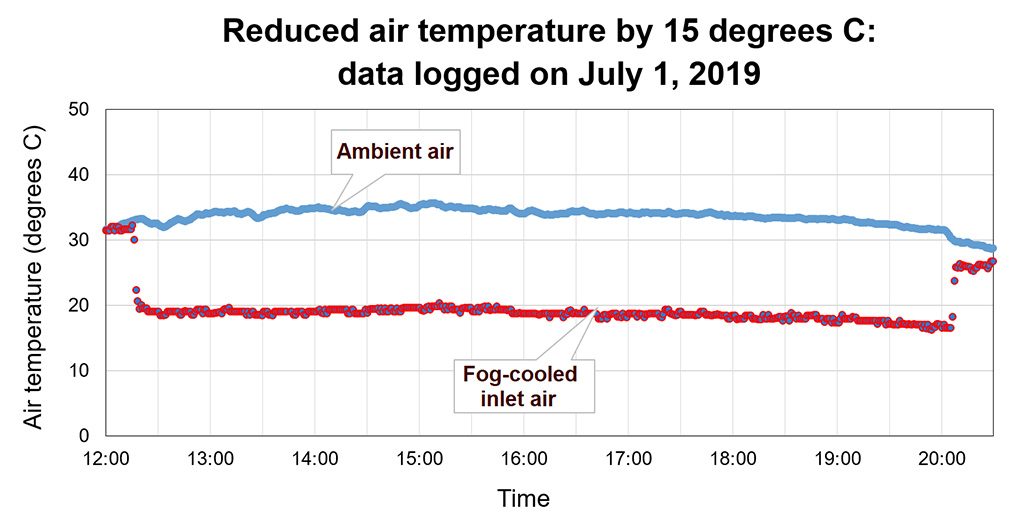
As a result, turbine output increased by approximately 10%, from 77.3 MW to 85.4 MW.
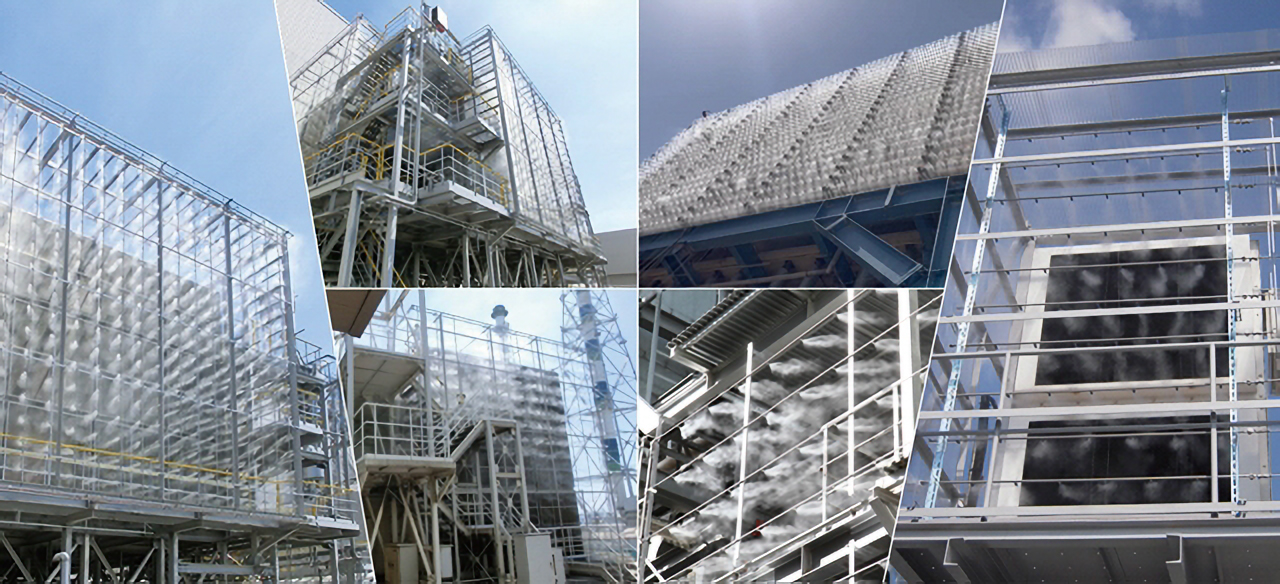
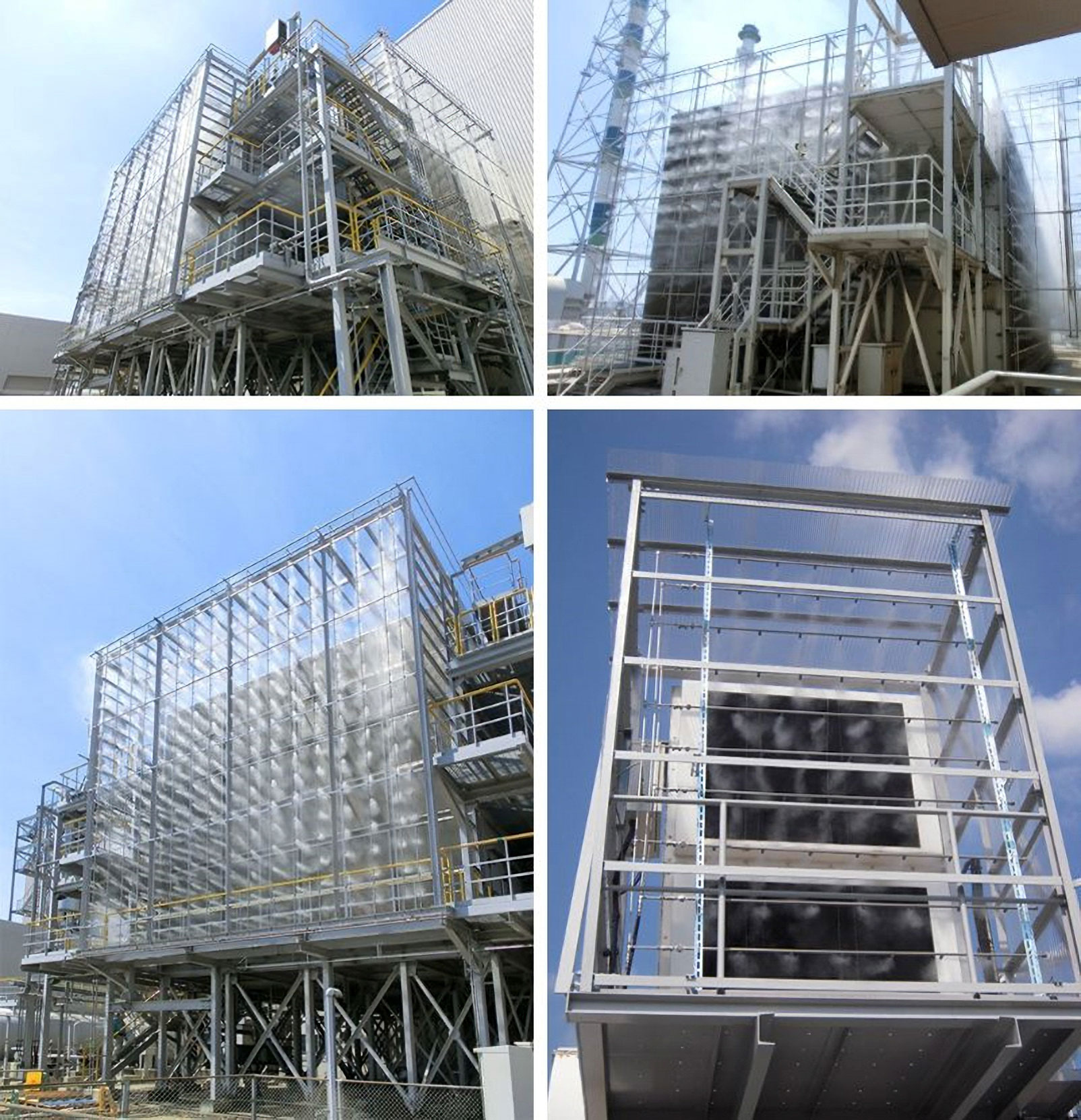
IKEUCHI’s gas turbine inlet air cooling systems have been successfully implemented in various regions, demonstrating their effectiveness. Below are some examples of installations.
Contact us today, and we are here to ensure your power supply remains stable, year-round.
By choosing IKEUCHI’s Gas Turbine Inlet Air Cooling System, you are securing a stable and efficient power supply, even during the peak of summer. Ensure your operations remain resilient, regardless of the season.