How Moisture Conditioning Reduced Cream Puff Dough Crack Defects by 80% without Over-Wetting

Solutions or Products Featured
in This Case Study
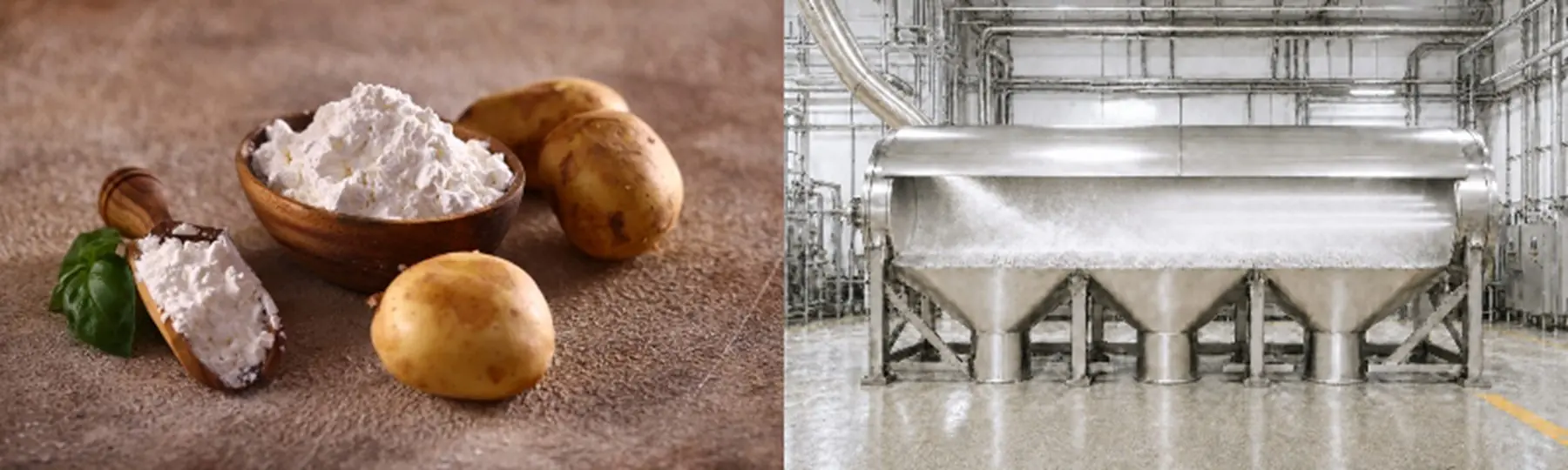
The customer manufactures starch for use in food, industrial, cosmetic, and pharmaceutical applications.
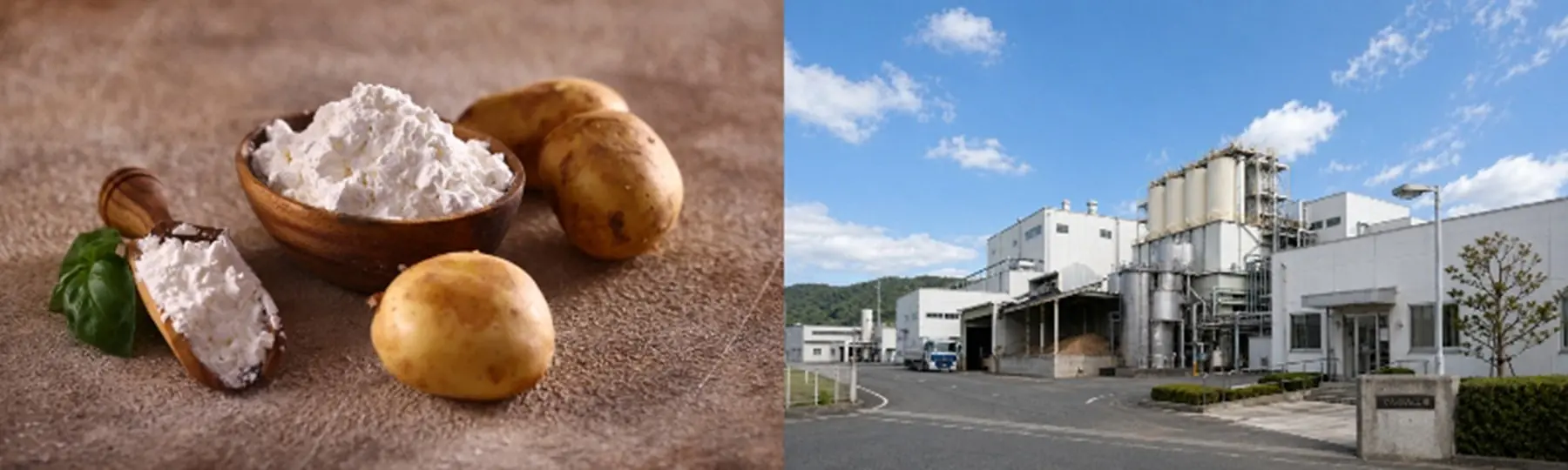
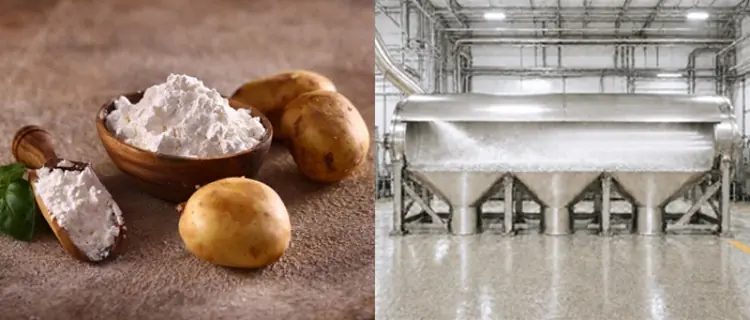
After the starch was refined and dewatered, it was dried into a powder and pneumatically conveyed to a steel silo. Its moisture content was adjusted inside the silo before being sent to the next process.
This moisture-conditioning step is essential for bringing the dried starch to the required moisture content and maintaining consistent product quality.
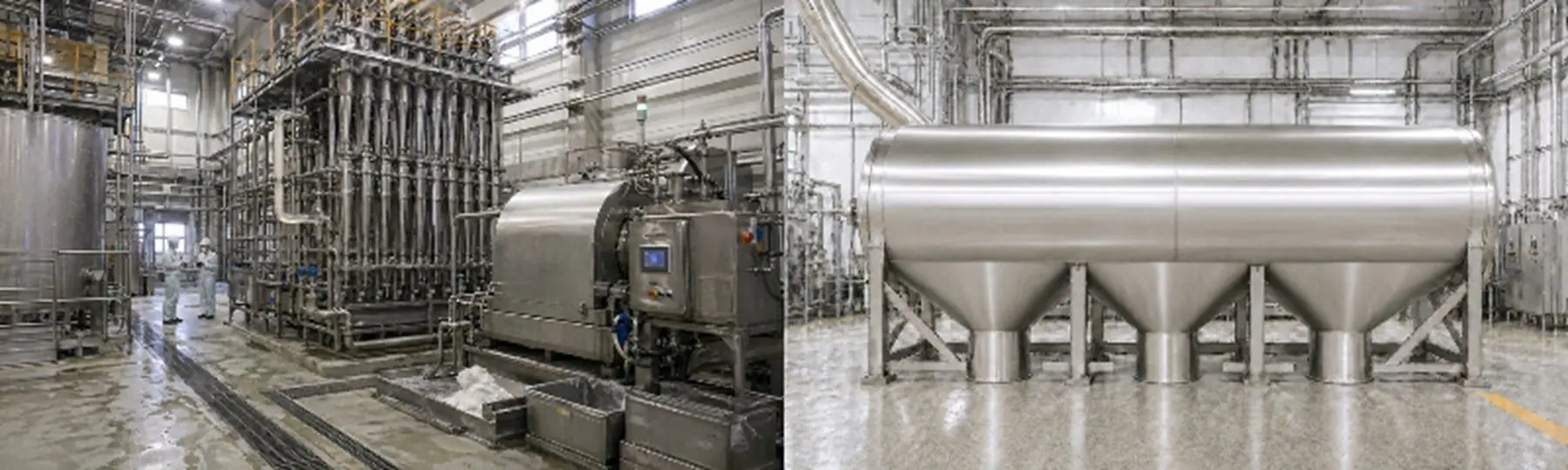
The plant had been using pneumatic spray nozzles from another supplier. Inside the silo, airborne starch adhered to the nozzle tips, causing clogging as often as four times per hour.
Each blockage forced operators to stop the spray, clean the nozzle, and restore operation, reducing production efficiency.
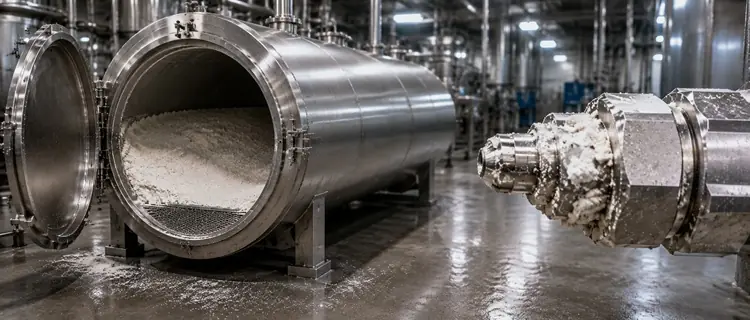
After inspecting the site and discussing the operating conditions in detail with the customer, IKEUCHI identified two key requirements for the spray nozzles used in this process.
1. Fine, uniform atomization
If the spray droplets are too coarse, moisture can become concentrated in certain areas, causing the starch to form lumps. This can lead to inconsistent product quality and conveying problems in the next process.
2. Clogging prevention under dusty conditions
After drying, the powdered starch, still warm from the drying process, is pneumatically conveyed into the silo, where it disperses and remains suspended in the air. When starch dust builds up on the nozzle tip, it can clog the nozzle, destabilize the spray, and make it difficult to control the starch’s moisture content consistently.
As a result, humidity inside the silo can fall, increasing the likelihood of static charge buildup. A discharge spark could then ignite suspended starch dust, creating a risk of a dust explosion.
To meet these requirements, IKEUCHI proposed the BIMJ Series of pneumatic spray nozzles, which atomize water with compressed air to produce a fine, uniform spray. A model with a highly directional, long-reaching spray pattern was selected so that the spray could reach the center of the silo.
With droplet diameters of 30 to 50 μm, the nozzle distributes moisture throughout the silo without causing the starch to clump.
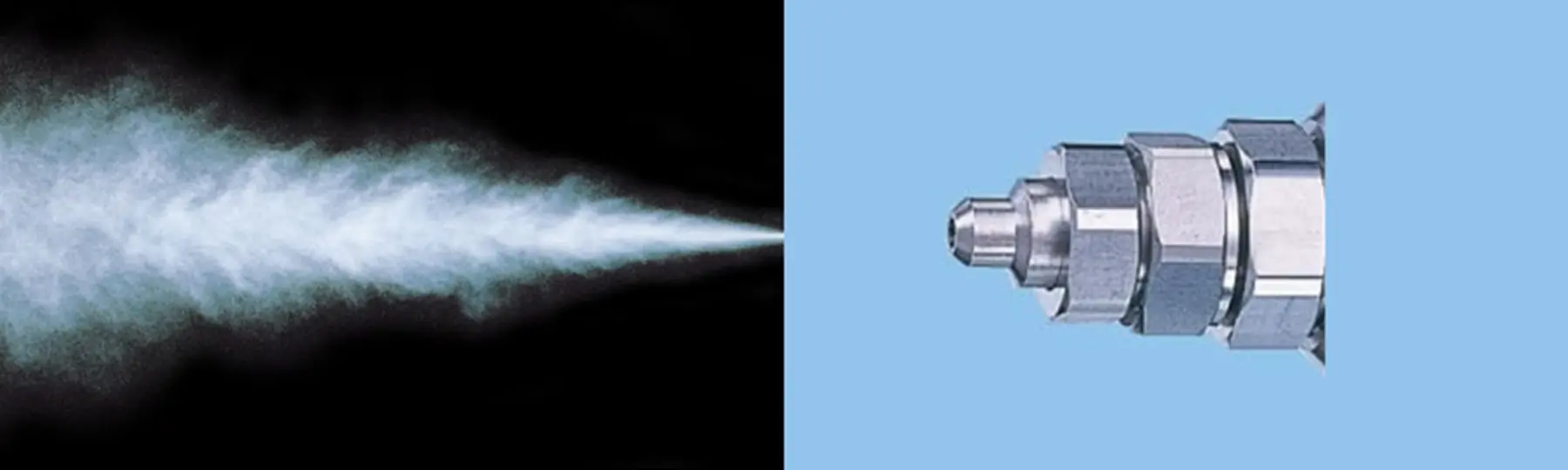
The BIMJ nozzle was configured as a lance assembly, with the nozzle housed inside a protection pipe and only the tip exposed.
Purge air supplied through the pipe creates forward airflow around the exposed tip, blowing starch dust away before it can accumulate.
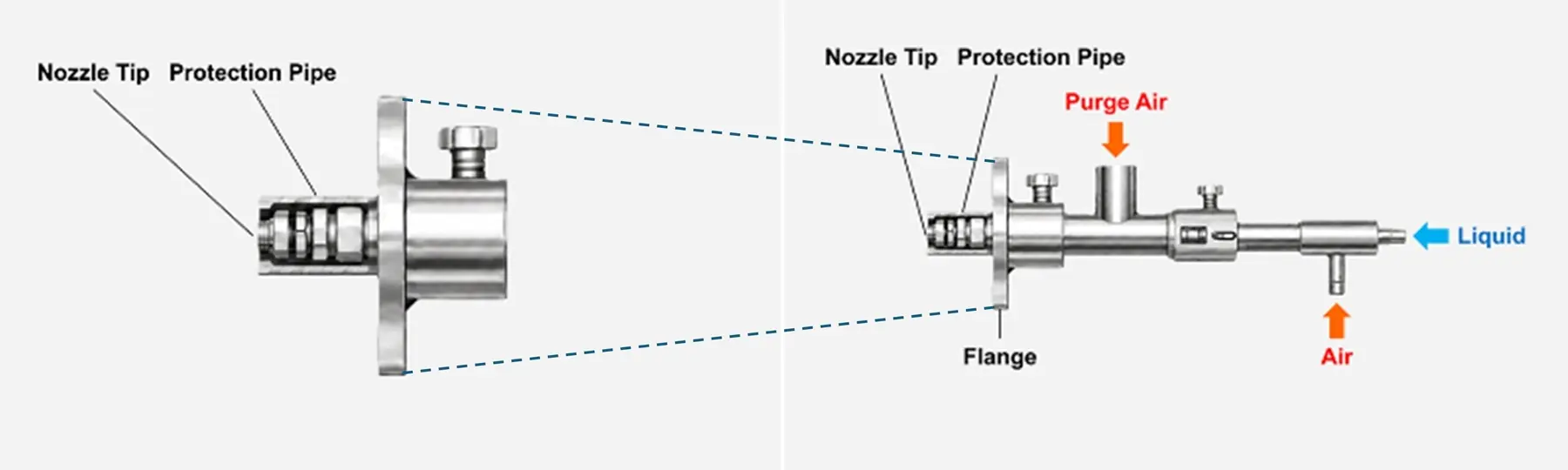
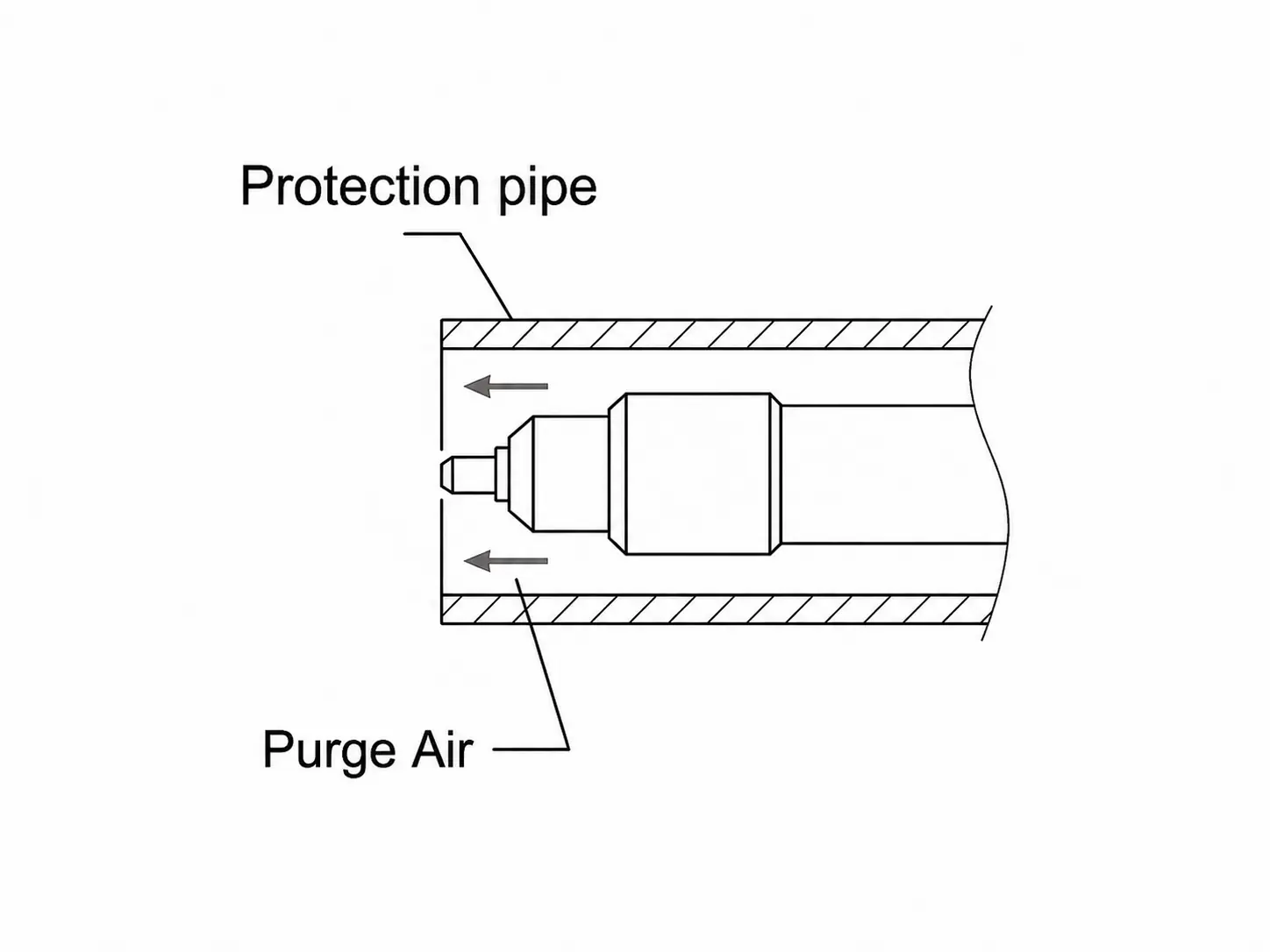
Four lance-type BIMJ nozzles were inserted at equal intervals through the end wall of the silo and secured with flange connections.
This layout provided the required spray flow rate while distributing moisture evenly throughout the silo.
Together, these measures created a moisture-conditioning system that reduces dust-related clogging while maintaining a stable, fine spray.
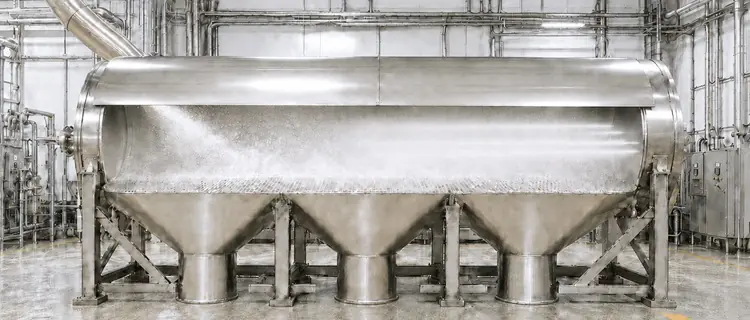
After installation, nozzle clogging dropped sharply. Fewer blockages reduced the need for cleaning and recovery work, enabling stable operation of the moisture-conditioning process.
IKEUCHI spray nozzles continue to support stable operation of the starch moisture-conditioning process, helping improve production efficiency and maintain consistent product quality.
Relevant SDG goals for this case.