Different Humidification & Installation Methods | Types of Humidification | Premium Dry Fog

When a facility starts pricing humidification, the conversation usually centers on the equipment: how many units, what capacity, and what it all costs. The question that tends to come up later, often once a quote is already in hand, is what it will take to get that equipment running in the building.
That gap between the equipment price and the finished project is where a lot of humidification plans stall. Understanding where installation costs come from, and how much they vary between system types, makes it much easier to judge whether a project is within reach.
Much of what drives installation cost is how closely a system is tied to the building itself.
These systems serve plenty of facilities well, particularly large buildings designed with humidification in mind. For a single production area or a mid-size floor, though, the work needed to integrate them can become a meaningful share of the total budget, sometimes enough to push the project back indefinitely.
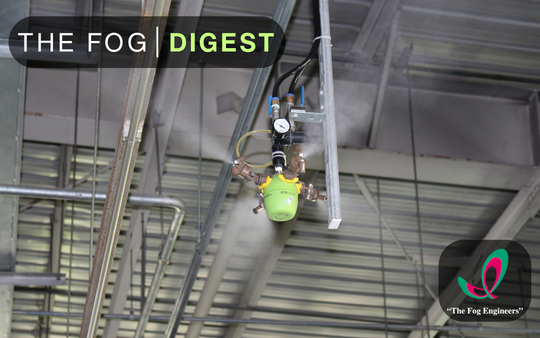
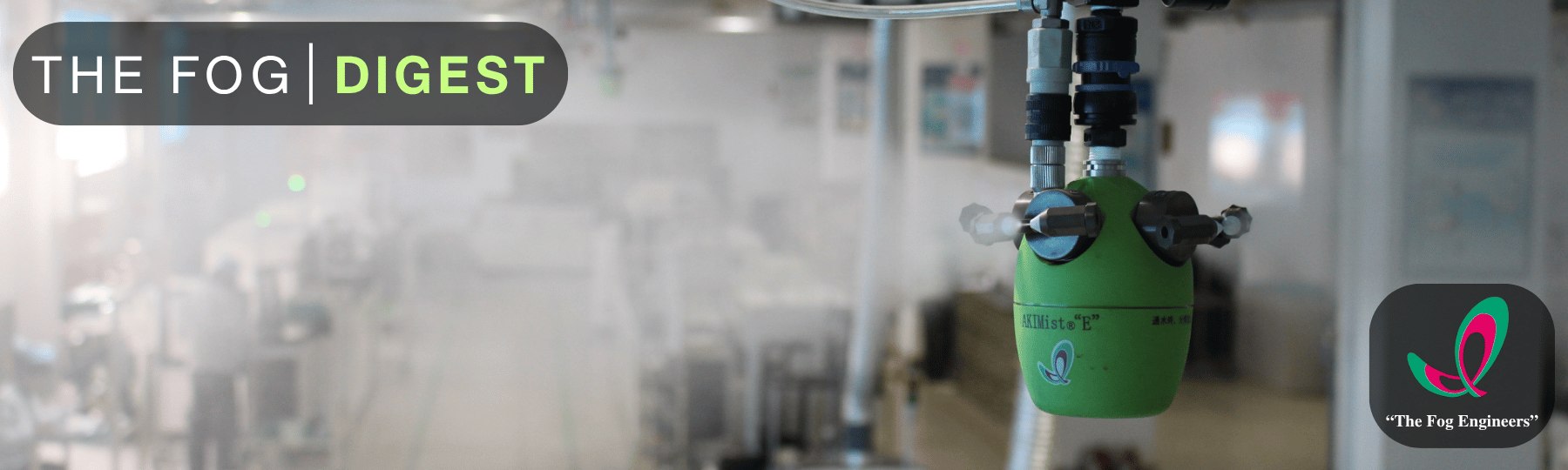
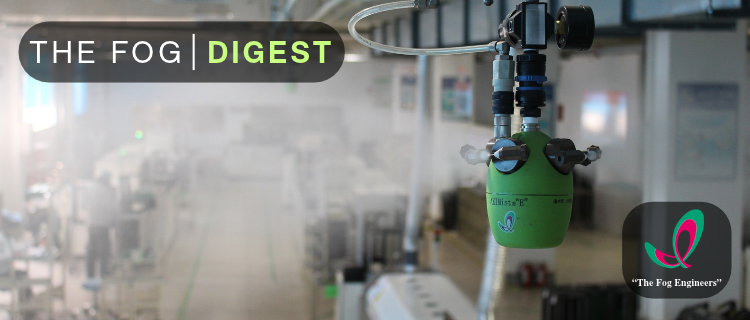
The AKIMist®E Dry Fog humidifier takes a different path. Instead of conditioning air inside ductwork, it sprays directly into the space, using compressed air and water to produce Dry Fog with a Sauter mean droplet diameter of 7.5µm. Droplets that fine evaporate before they can settle on surfaces, so the area gains humidity without getting wet.
It’s worth being clear about what a complete system includes. Alongside the spray units, humidity sensor, and controller, most installations also need:
So there’s more to it than hanging a few units from the ceiling. The difference is that each piece is standalone equipment rather than a modification to the building’s mechanical systems. Compressors and RO systems are familiar territory for most maintenance teams, and none of them require opening up ductwork or reworking the air handlers.
Once the equipment is on site, installation comes down to tasks most facilities teams recognize: mounting the spray units, running air and water lines, placing the sensor and controller, and connecting power. The spray units come with pre-assembled mounting kits, and each system ships with a layout diagram specific to the project, so placement is planned before anything goes up.
For many projects, the system scope is within reach of an in-house maintenance team comfortable with compressed air, basic plumbing, and overhead mounting.
Larger or multi-zone systems, or facilities without dedicated maintenance staff, may still be better served by a third-party installer. The real advantage is having the choice. When installation doesn’t depend on HVAC integration, a contractor becomes one option among several instead of a fixed part of the cost.
Either way, Ikeuchi’s Fog Engineers help size and lay out the system before it ships and stay available as questions come up during installation.
Dry Fog humidification is a strong match for facilities that need to raise humidity in a defined production area and would rather not modify their HVAC system to do it. The AKIMist®E adds moisture directly where it’s needed, which suits operations where dry air is the problem and the goal is holding humidity at a stable working level. For teams weighing total project cost, a system that sits alongside the building instead of inside it can be the difference between a project that moves forward and one that keeps getting pushed back.
A humidification budget is only realistic when it accounts for the full scope, equipment and installation together. If the installation side has kept your project on hold, it may be worth a closer look at what it would actually involve for your space.
To talk through your facility and what a complete system would include, contact The Fog Engineers!